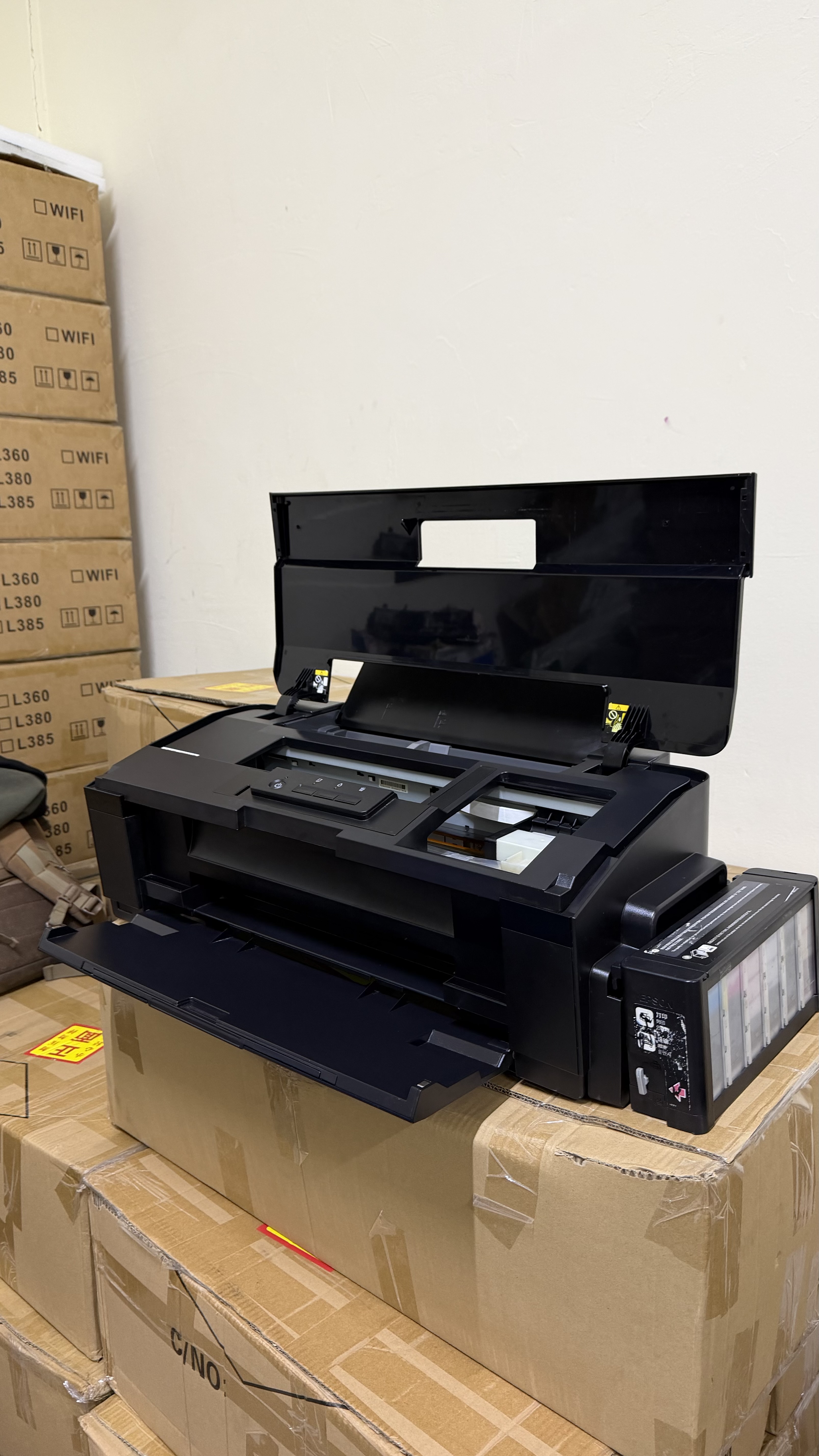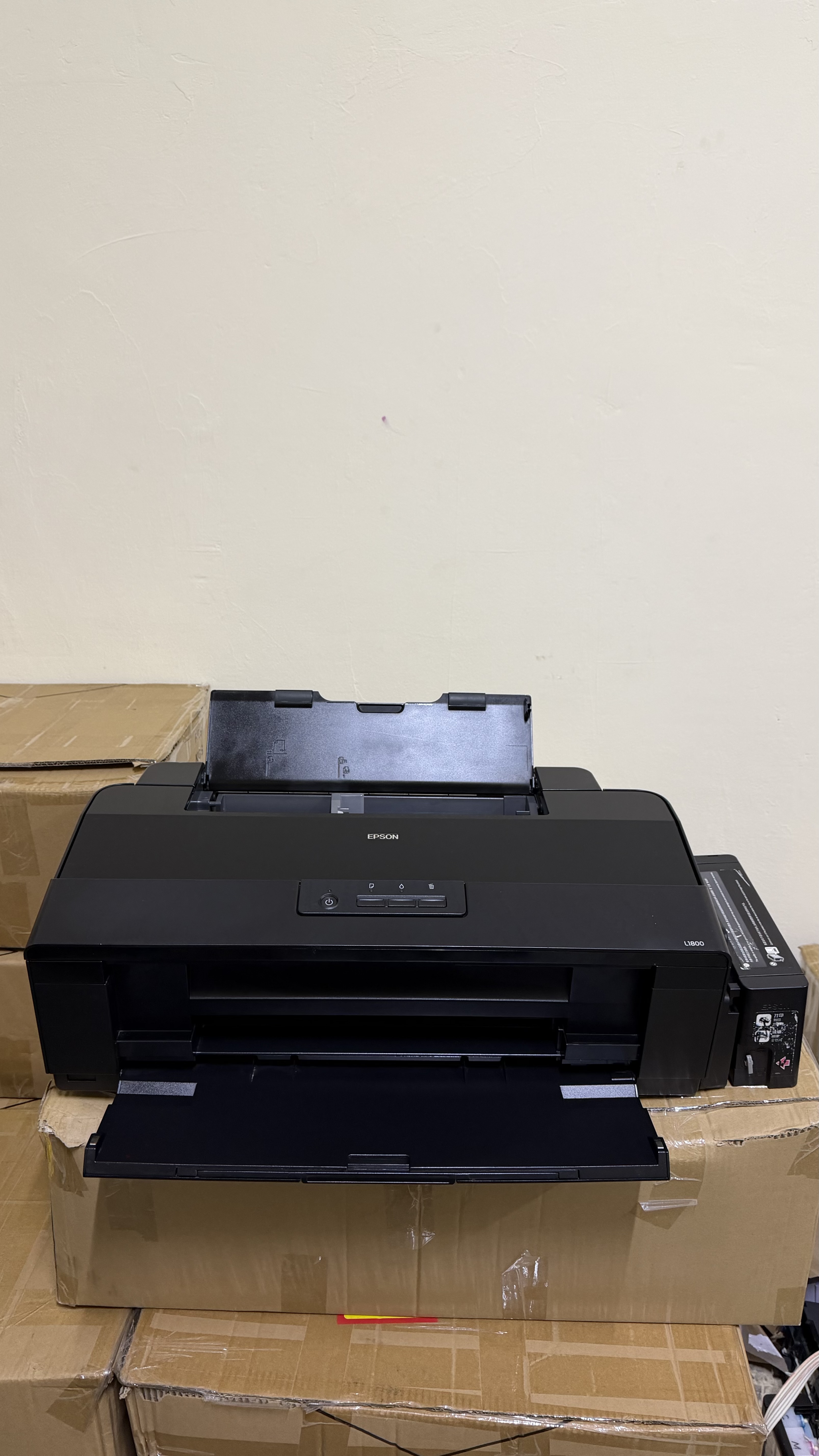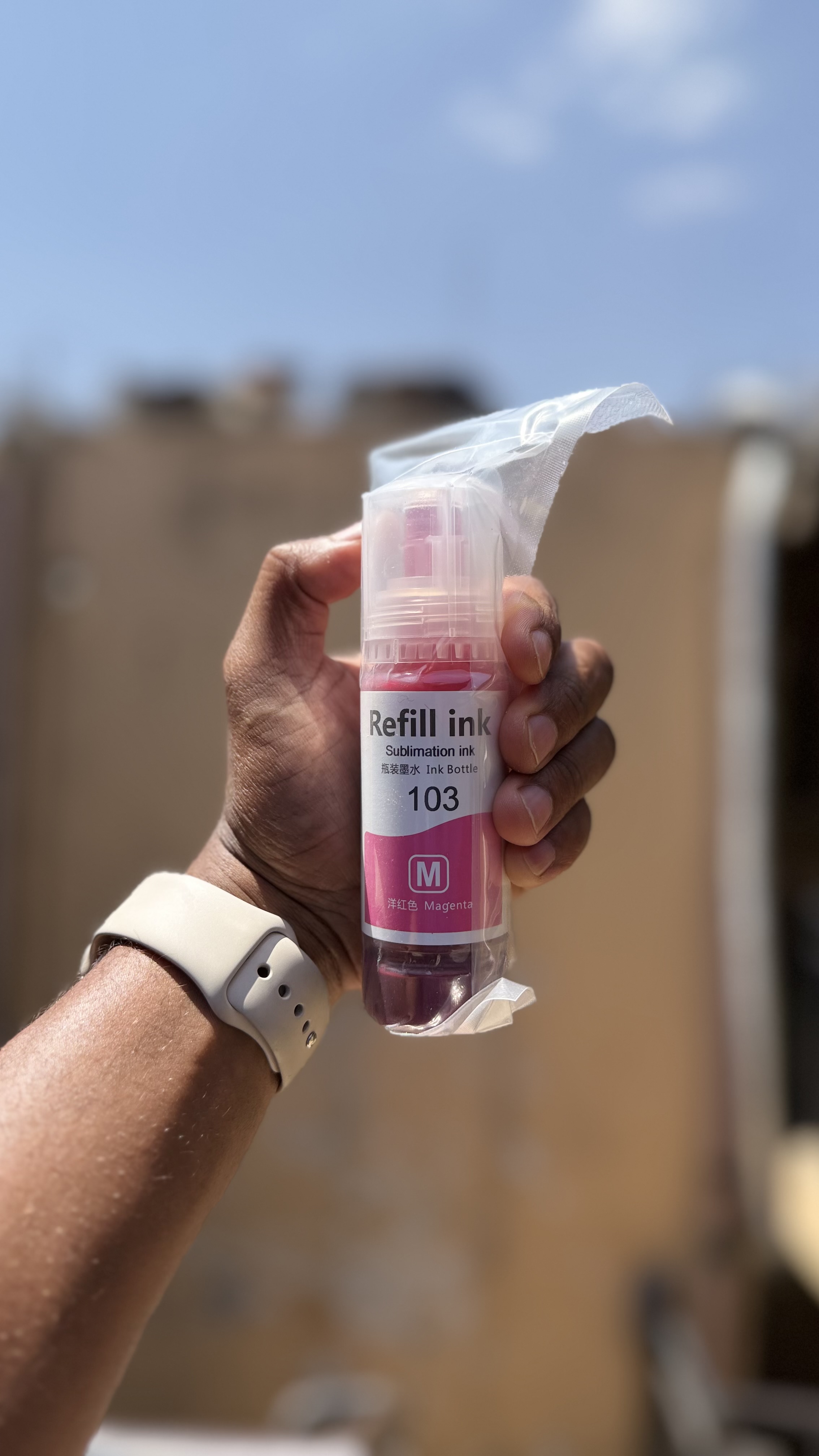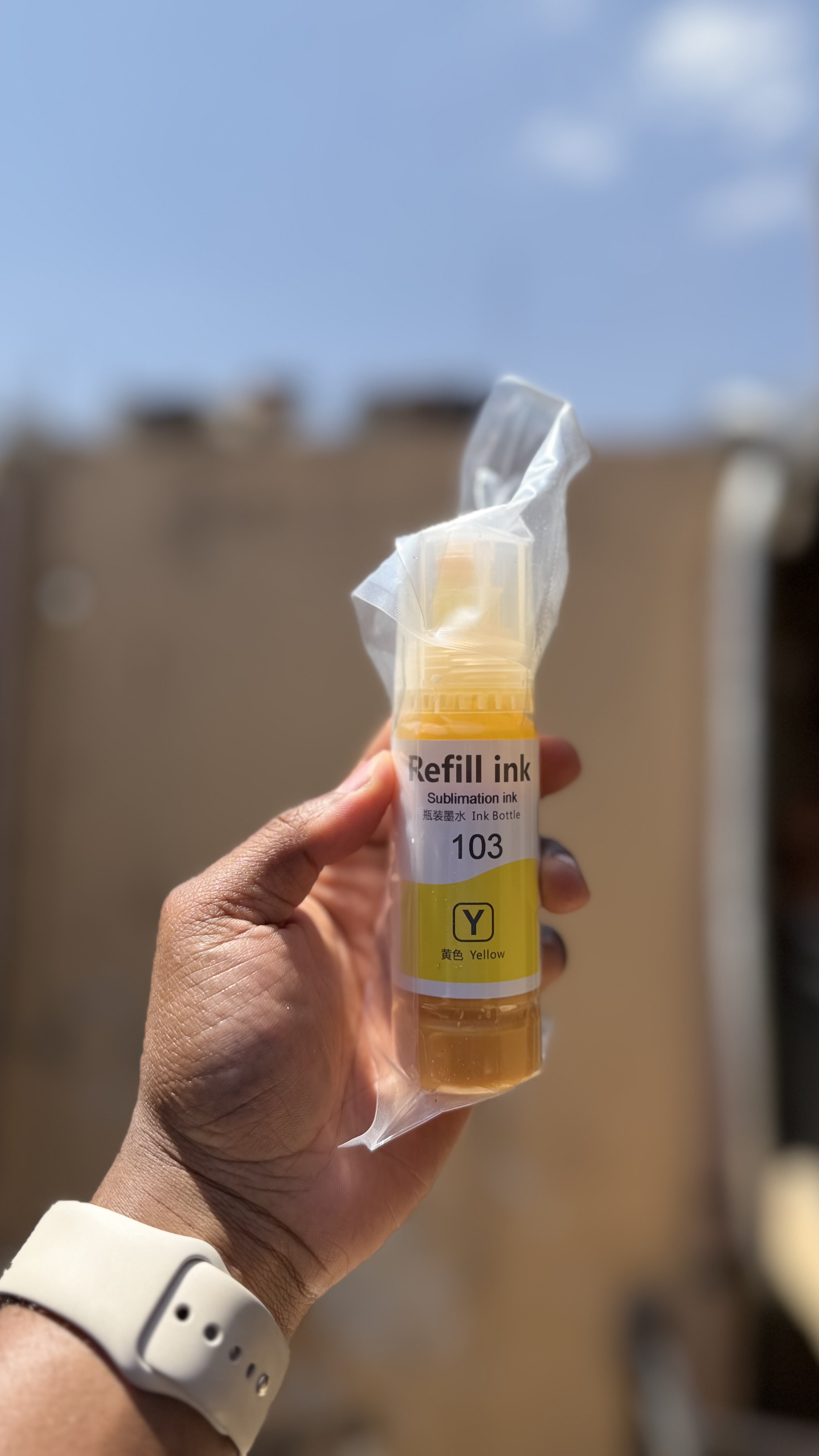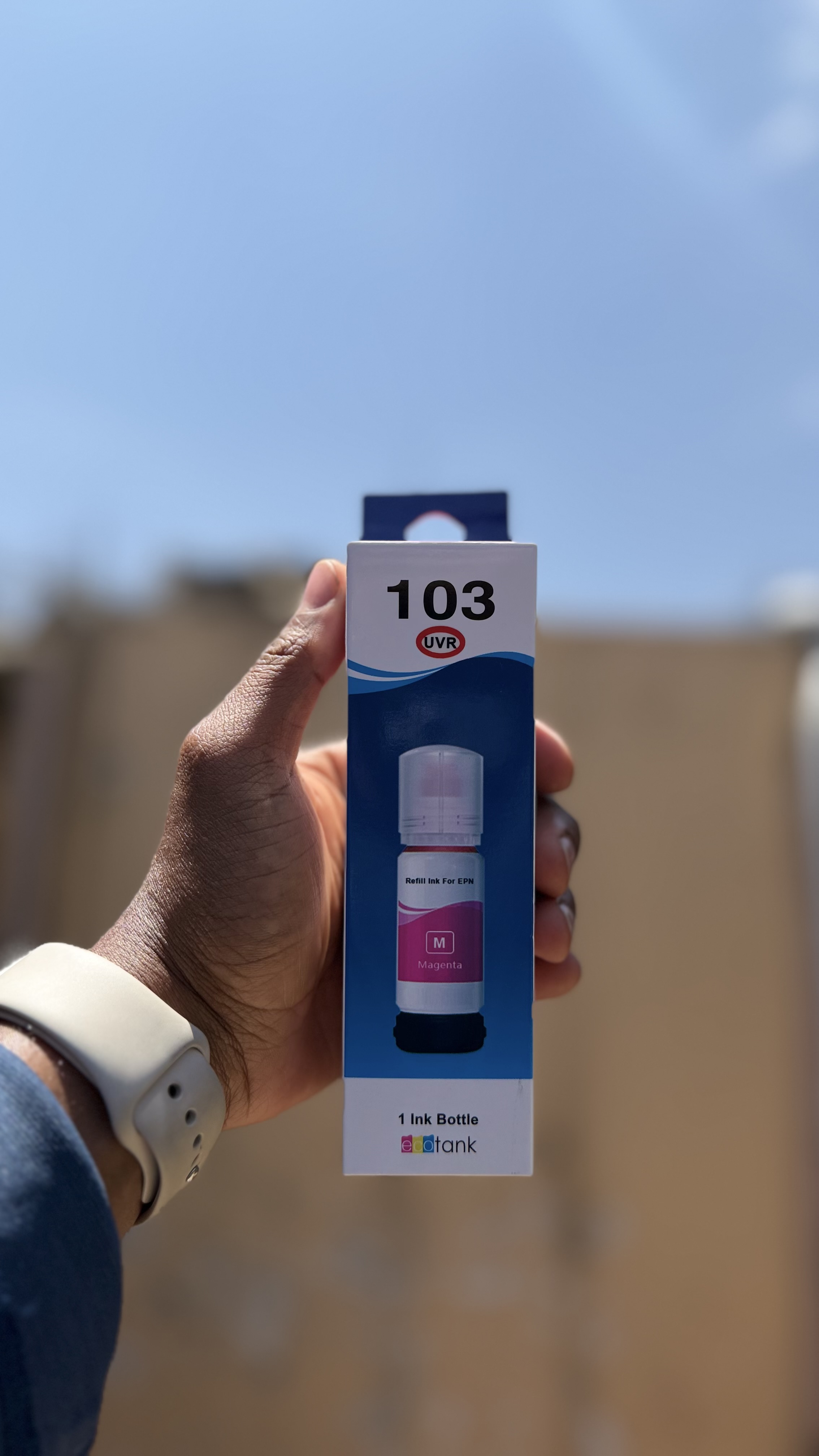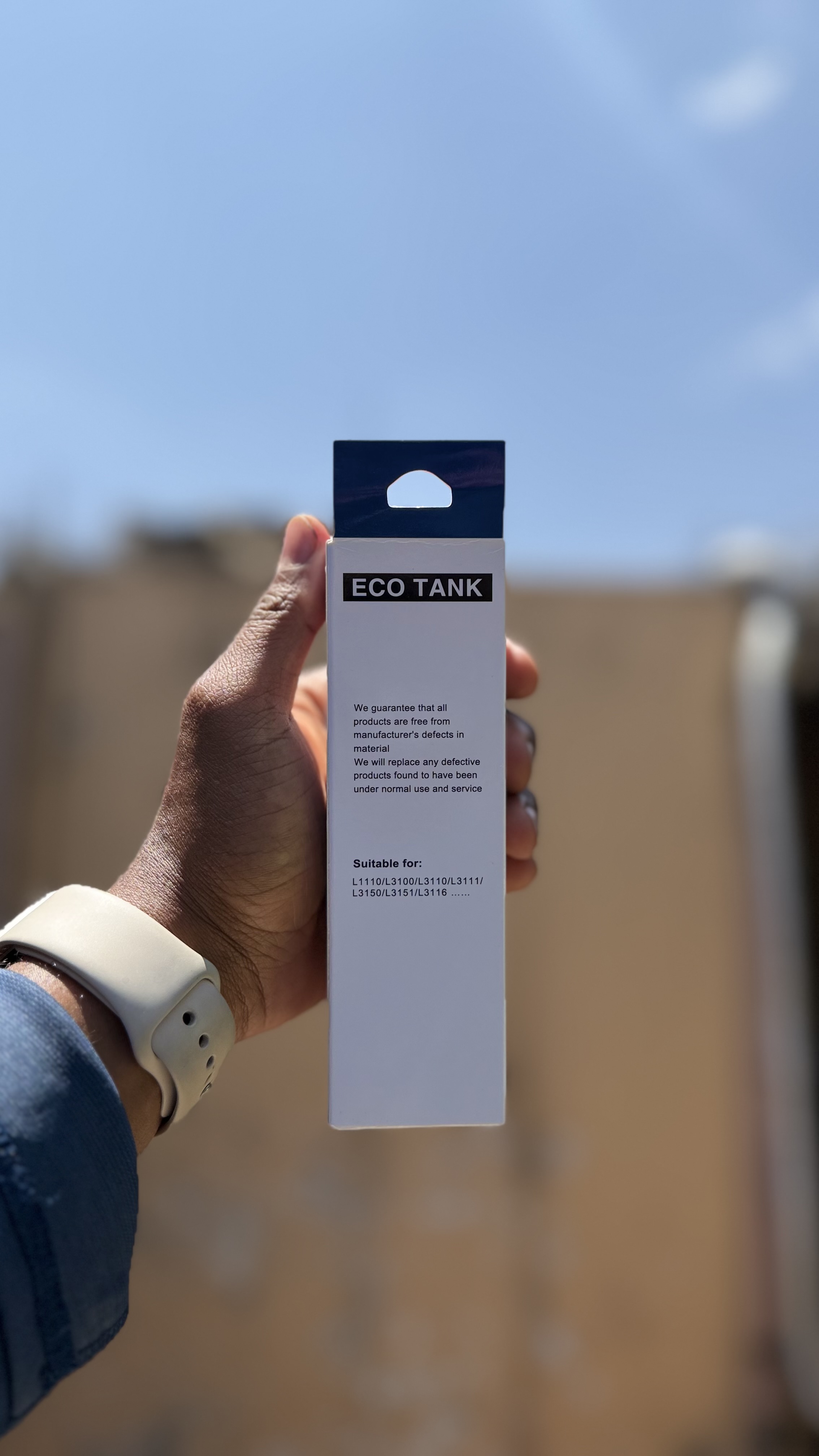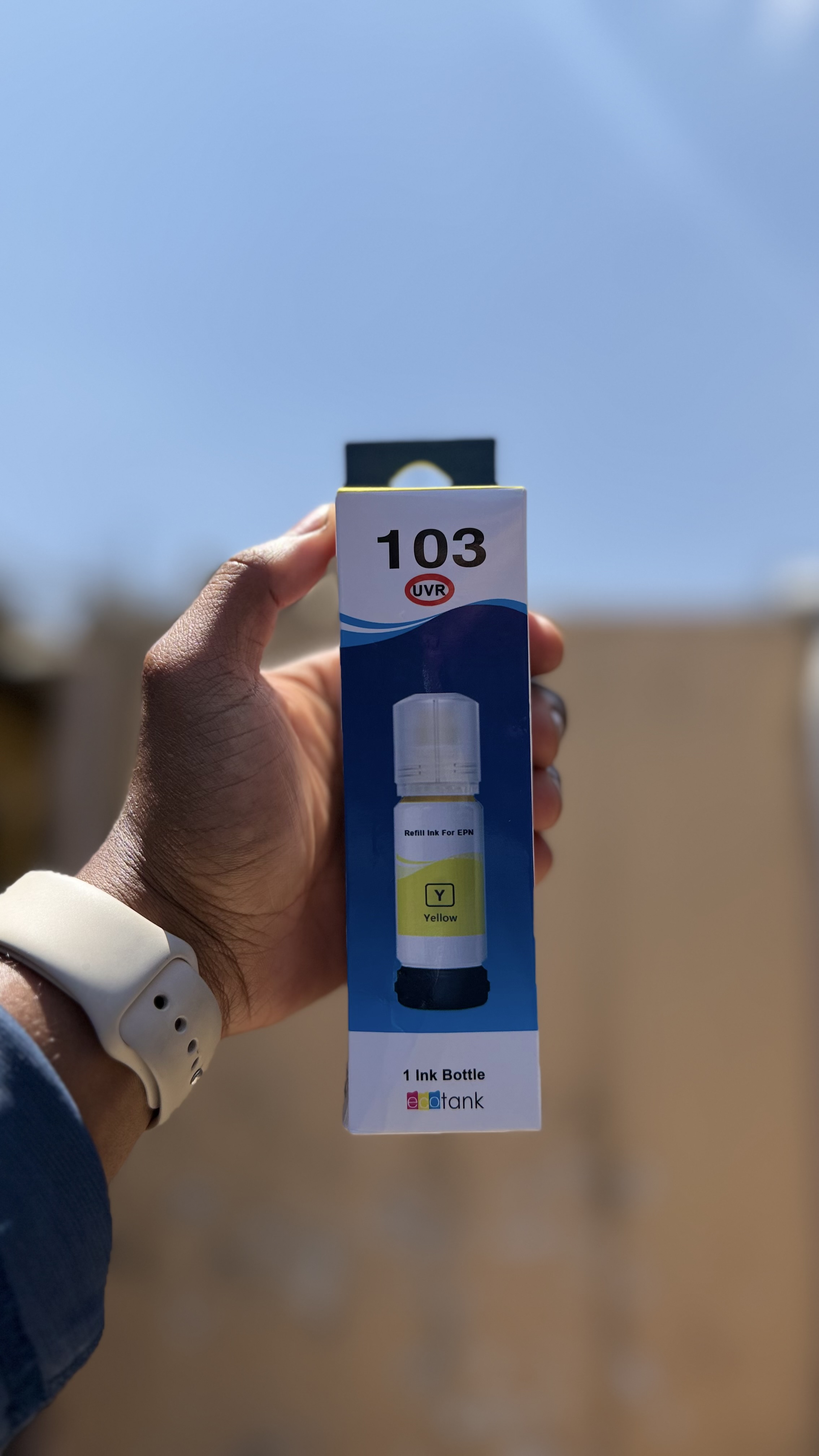
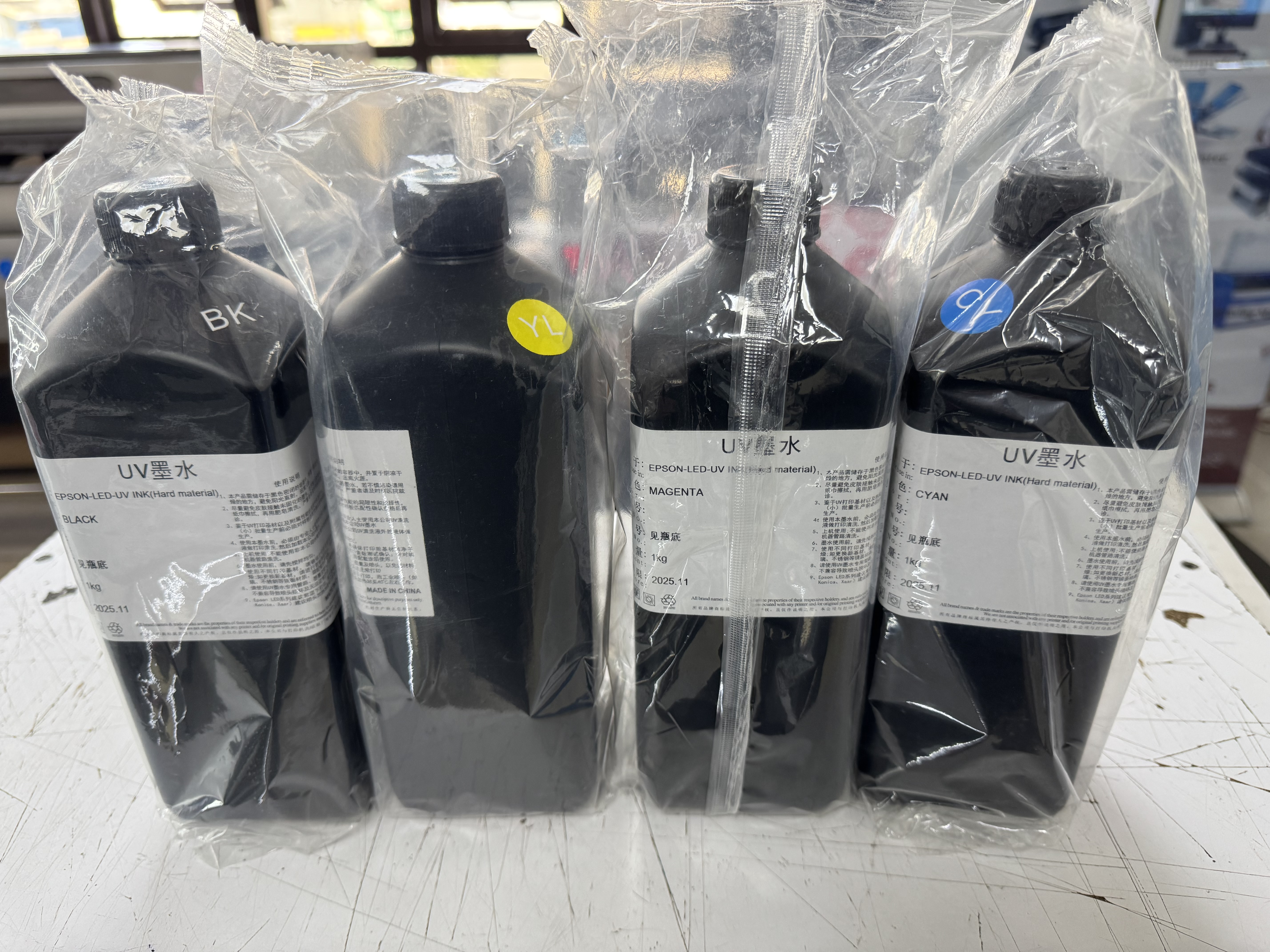
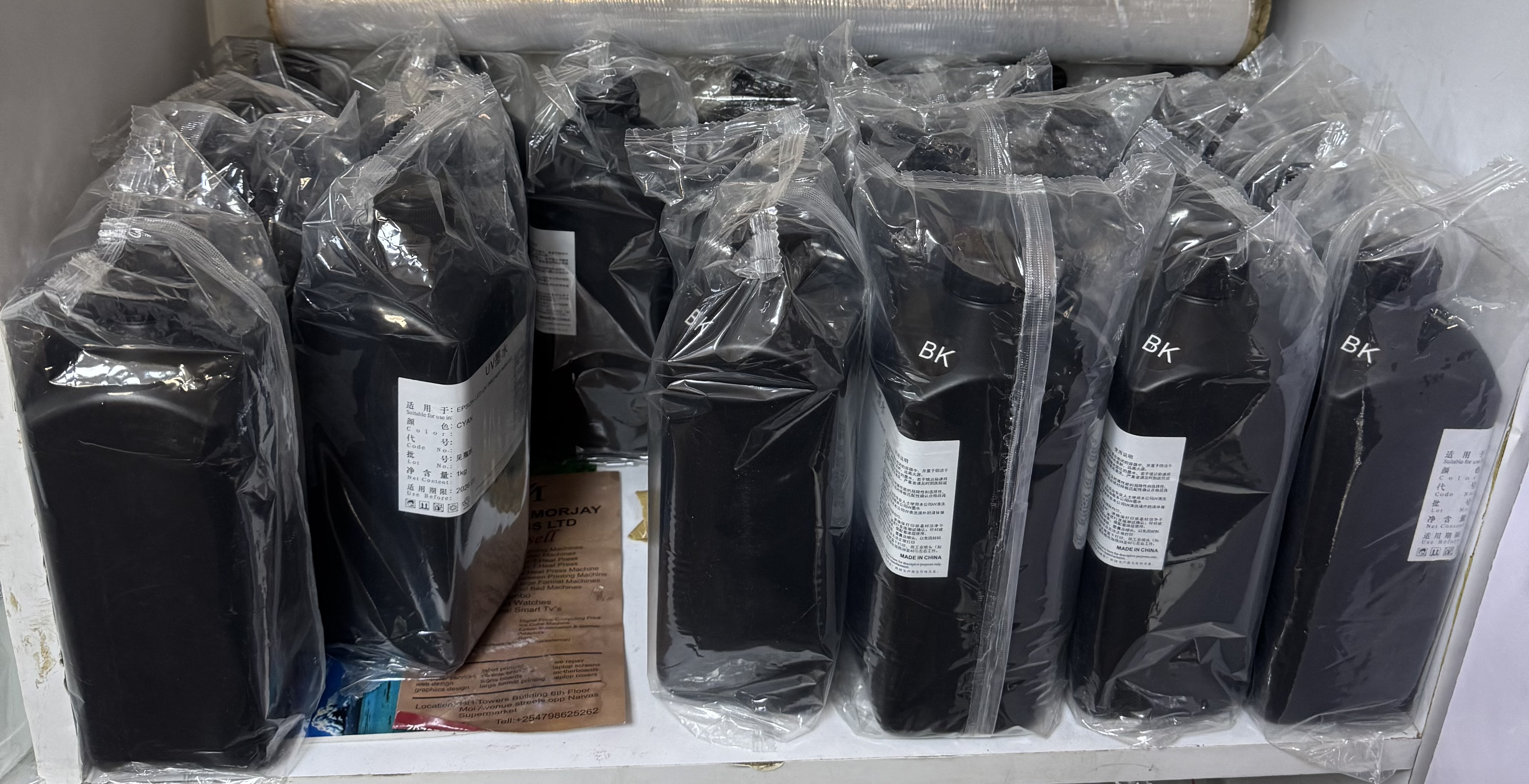
UV printer inks, which are available in Kenya are specified by their composition, physical properties (viscosity, adhesion, durability), and specific curing parameters (UV wavelength, energy output), which determine their suitability for various applications and materials.
Composition
UV inks are composed of four main ingredients, each contributing to the final product's characteristics:
Physical Properties & Performance
UV inks offer superior performance specifications compared to traditional inks:
Adhesion: Excellent adhesion to a wide variety of non-porous materials including glass, plastic, metal, acrylic, and wood.
Durability: The cured ink forms a solid, tough film that is highly resistant to scratches, abrasion, water, and solvents.
Flexibility: UV inks are available as hard inks for rigid substrates, soft/flexible inks for materials like banners or leather, and neutral/hybrid inks that offer a balance for use on both.
Environmental Impact: Most UV inks are low in or free of VOCs (volatile organic compounds), requiring less ventilation than solvent inks and making them more environmentally friendly.
Shelf Life: Unopened UV inks typically have a shelf life of 1 to 2 years when stored in cool, dark conditions (around 15–25 °C or 59–77 °F).
Curing & Operational Parameters
Proper curing is essential for achieving optimal results, and is governed by specific technical parameters:
Curing Method: Inks cure instantly through polymerization when exposed to specific UV light, eliminating the need for heat drying and post-processing time.
UV Light Wavelength: UV LED inks typically require a specific narrow wavelength range, most commonly 365 nm or 395 nm, to activate the photoinitiators effectively.
UV Light Intensity & Energy: Adequate UV power (e.g., minimum 4 W/cm²) and energy output (e.g., 240 mJ/cm² per layer) are critical for complete curing.
Viscosity: UV inkjet inks are formulated to have a low viscosity (typically 12–18 cP) for smooth jetting through printheads at operating temperatures (40°-70°C).
Operational Environment: The printing area's temperature and humidity should be controlled (ideally 20–30°C and 35–65% Rh) to maintain consistent ink viscosity and prevent curing issues.
Adhesion: Excellent adhesion to a wide variety of non-porous materials including glass, plastic, metal, acrylic, and wood.
Durability: The cured ink forms a solid, tough film that is highly resistant to scratches, abrasion, water, and solvents.
Flexibility: UV inks are available as hard inks for rigid substrates, soft/flexible inks for materials like banners or leather, and neutral/hybrid inks that offer a balance for use on both.
Environmental Impact: Most UV inks are low in or free of VOCs (volatile organic compounds), requiring less ventilation than solvent inks and making them more environmentally friendly.
Shelf Life: Unopened UV inks typically have a shelf life of 1 to 2 years when stored in cool, dark conditions (around 15–25 °C or 59–77 °F).