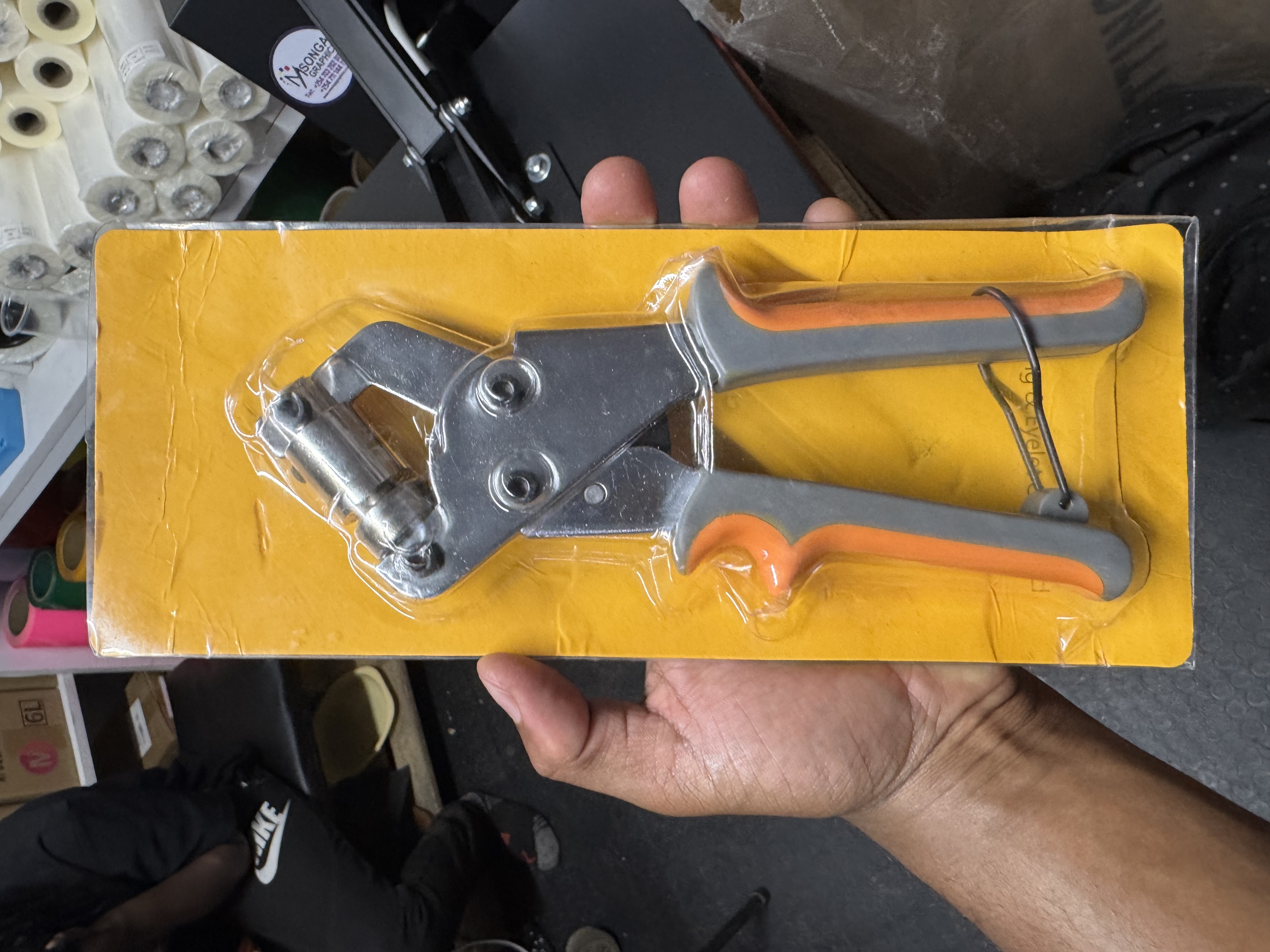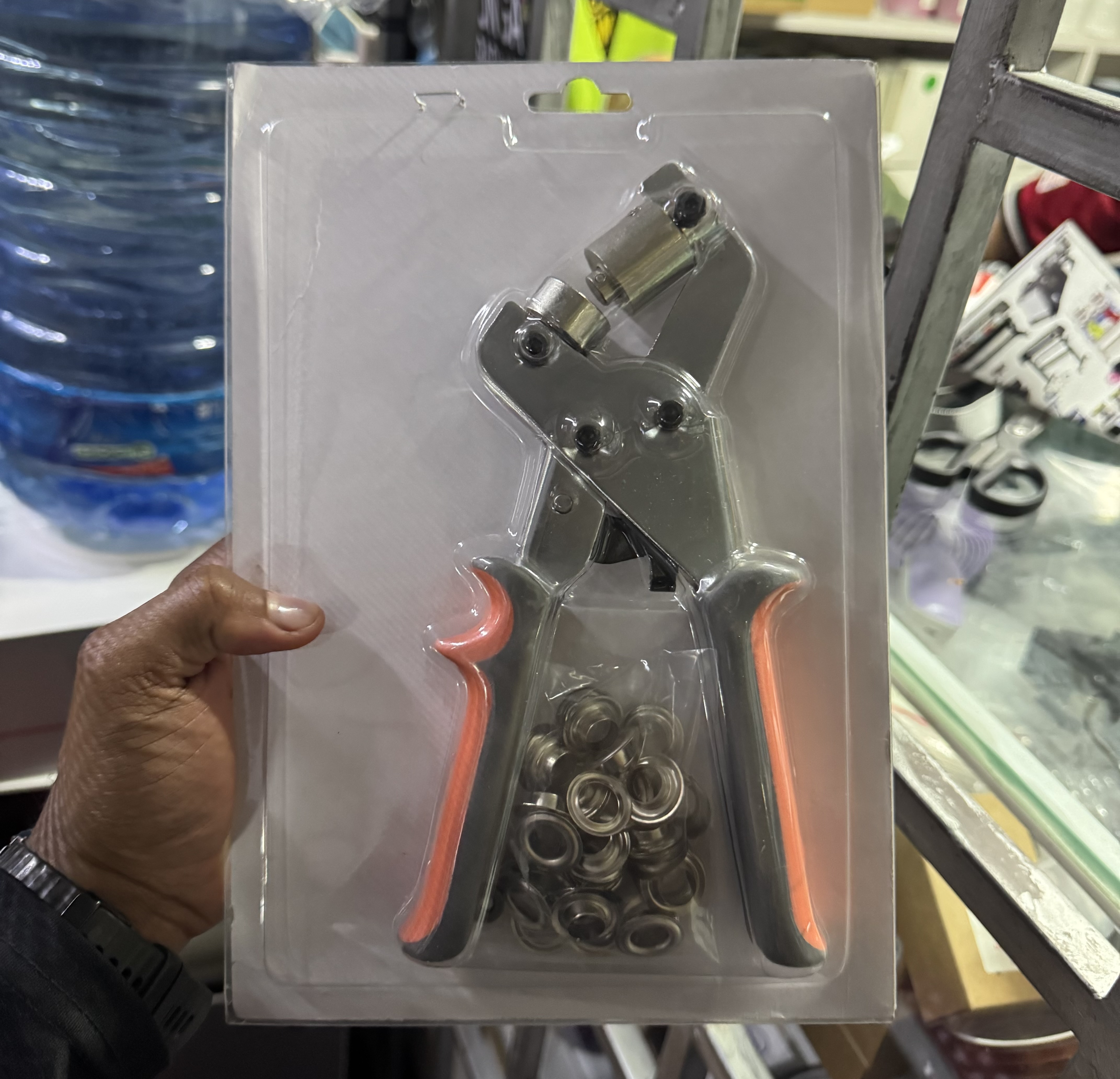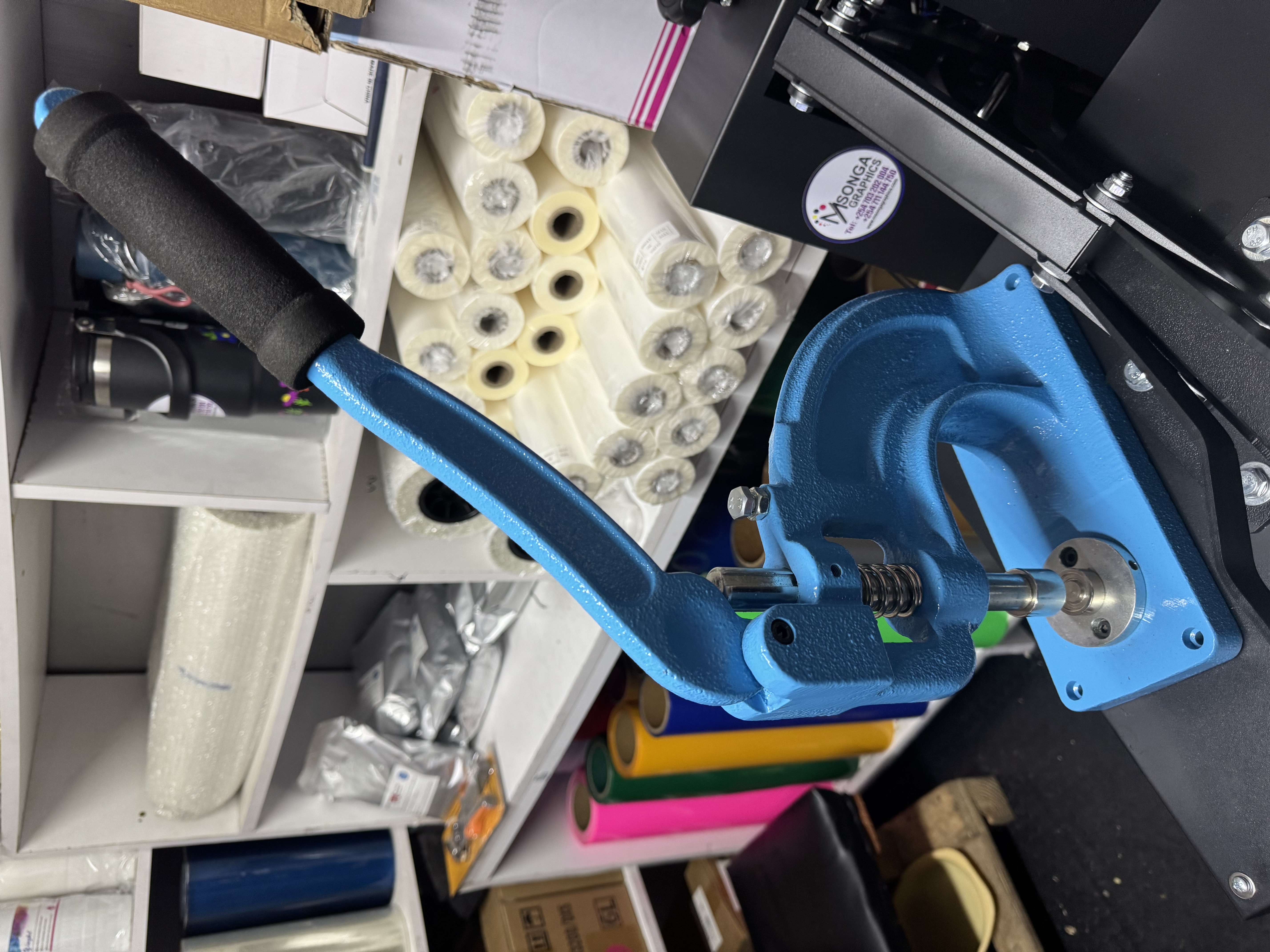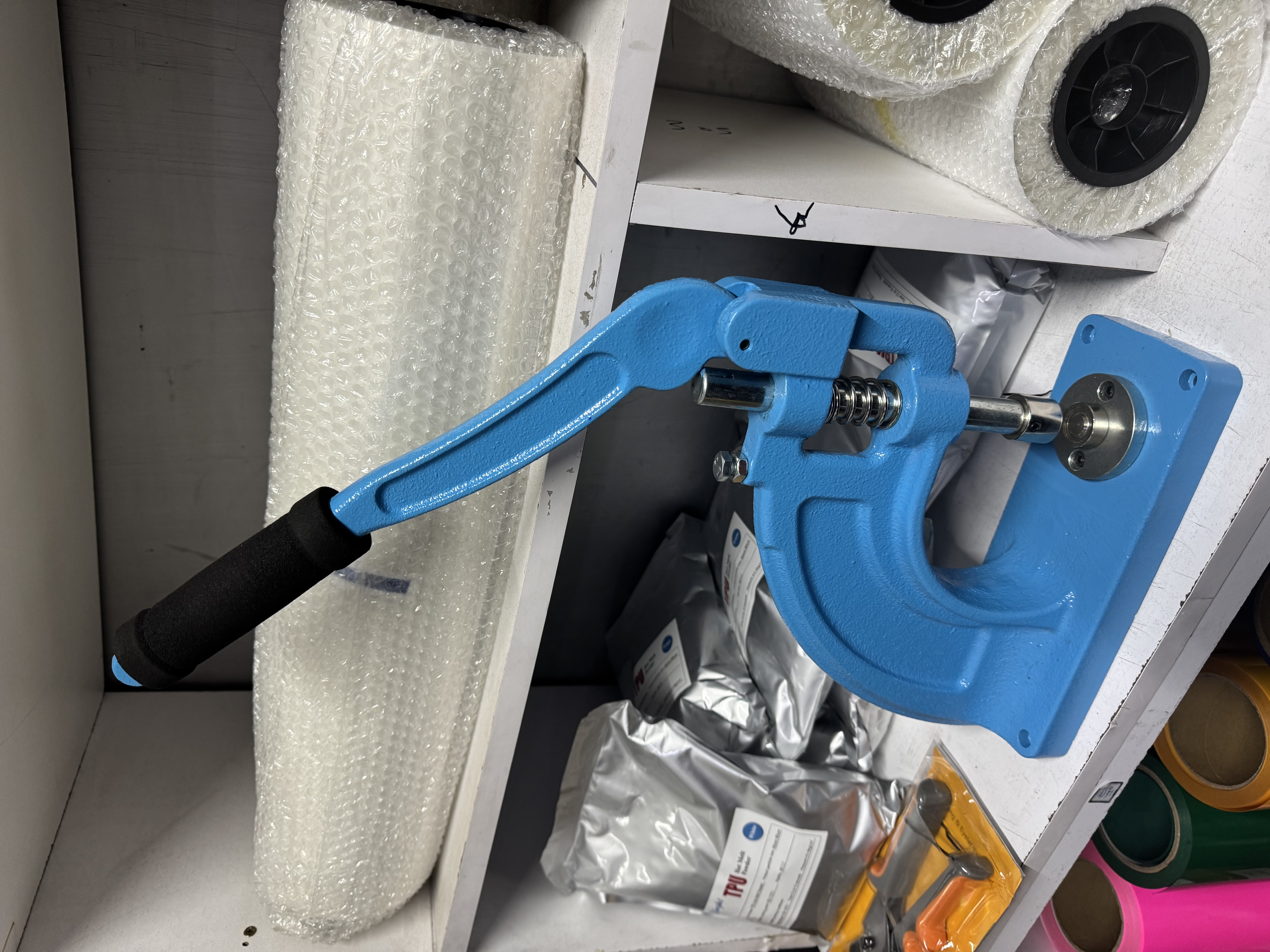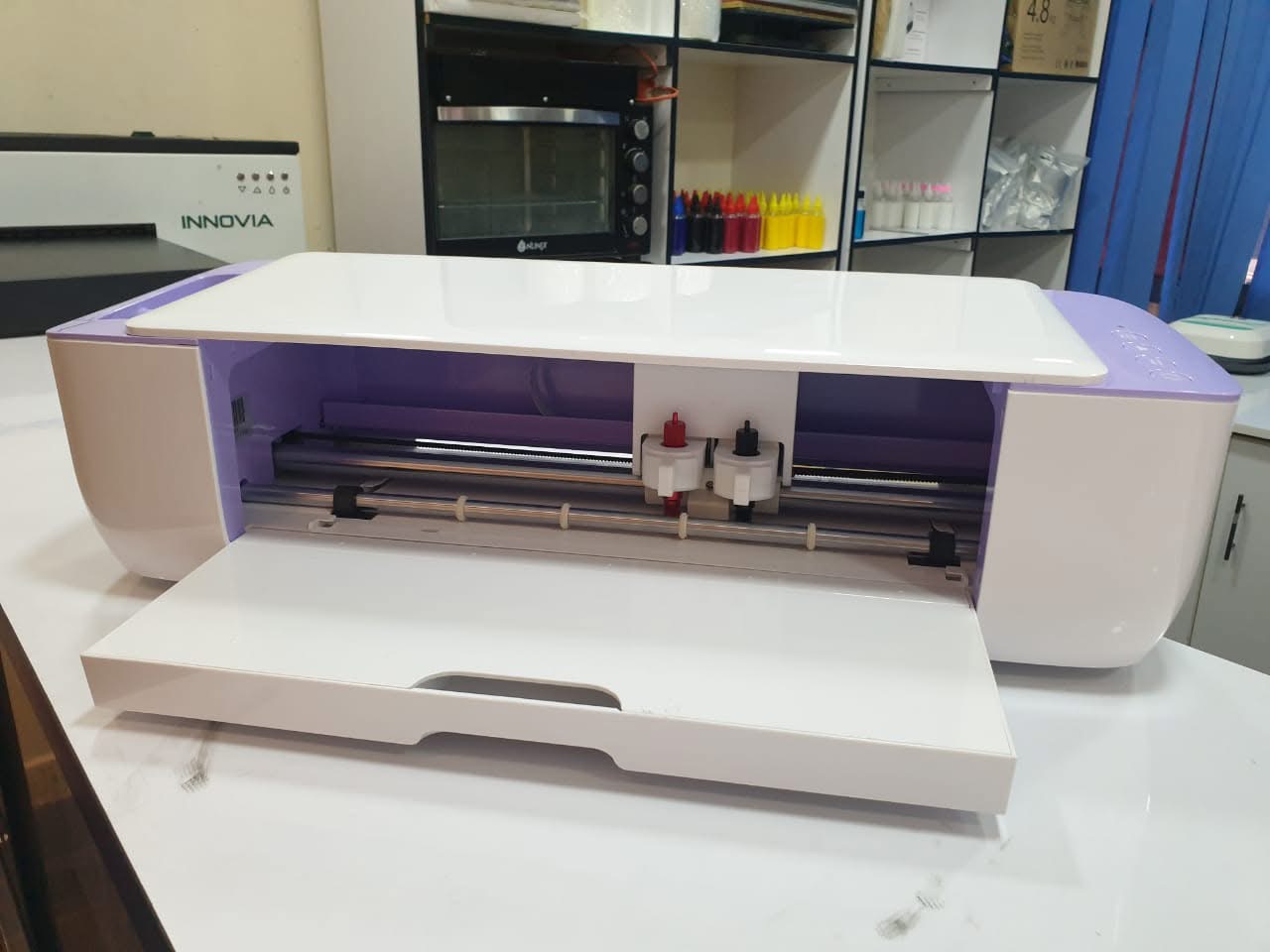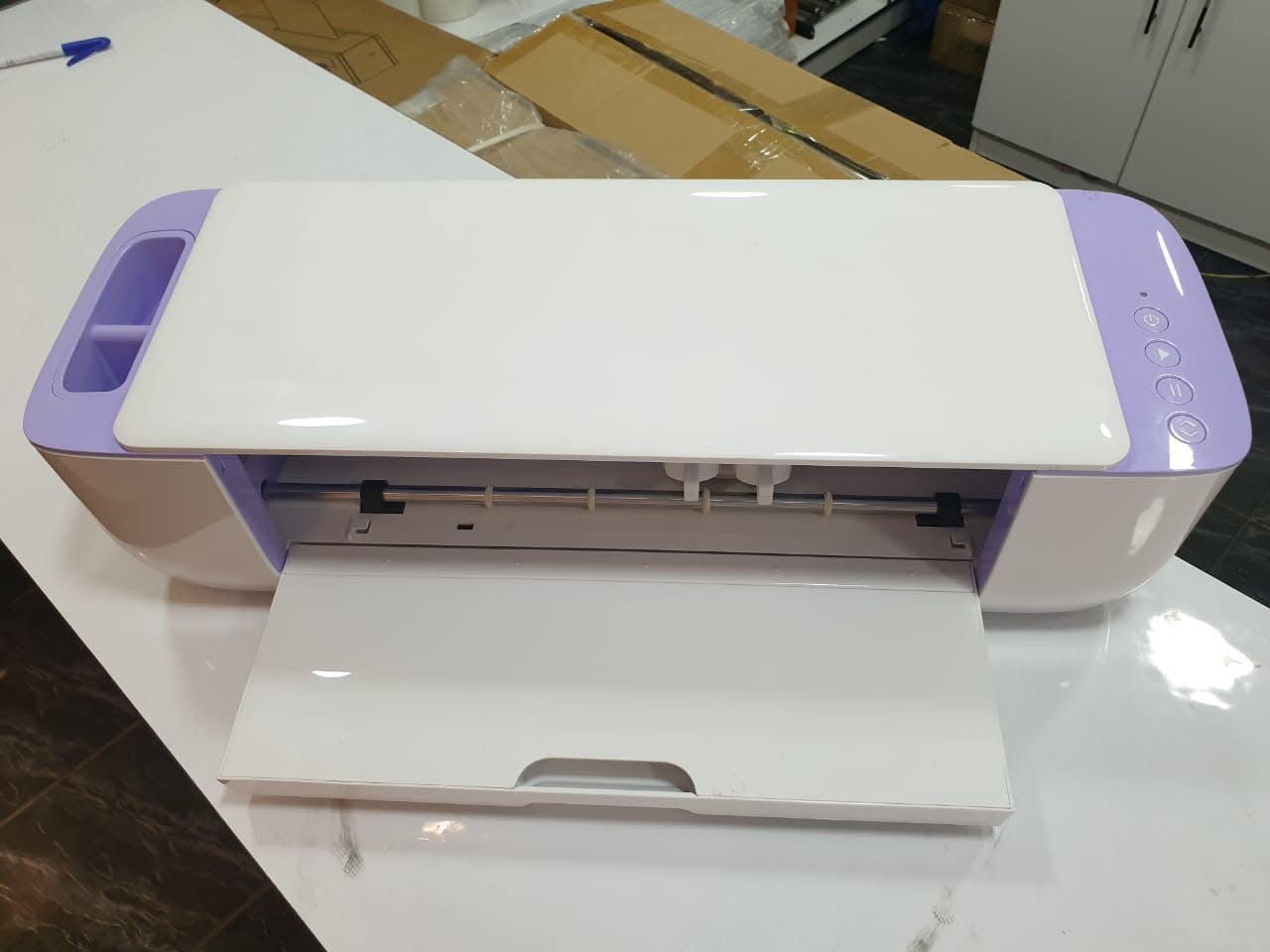
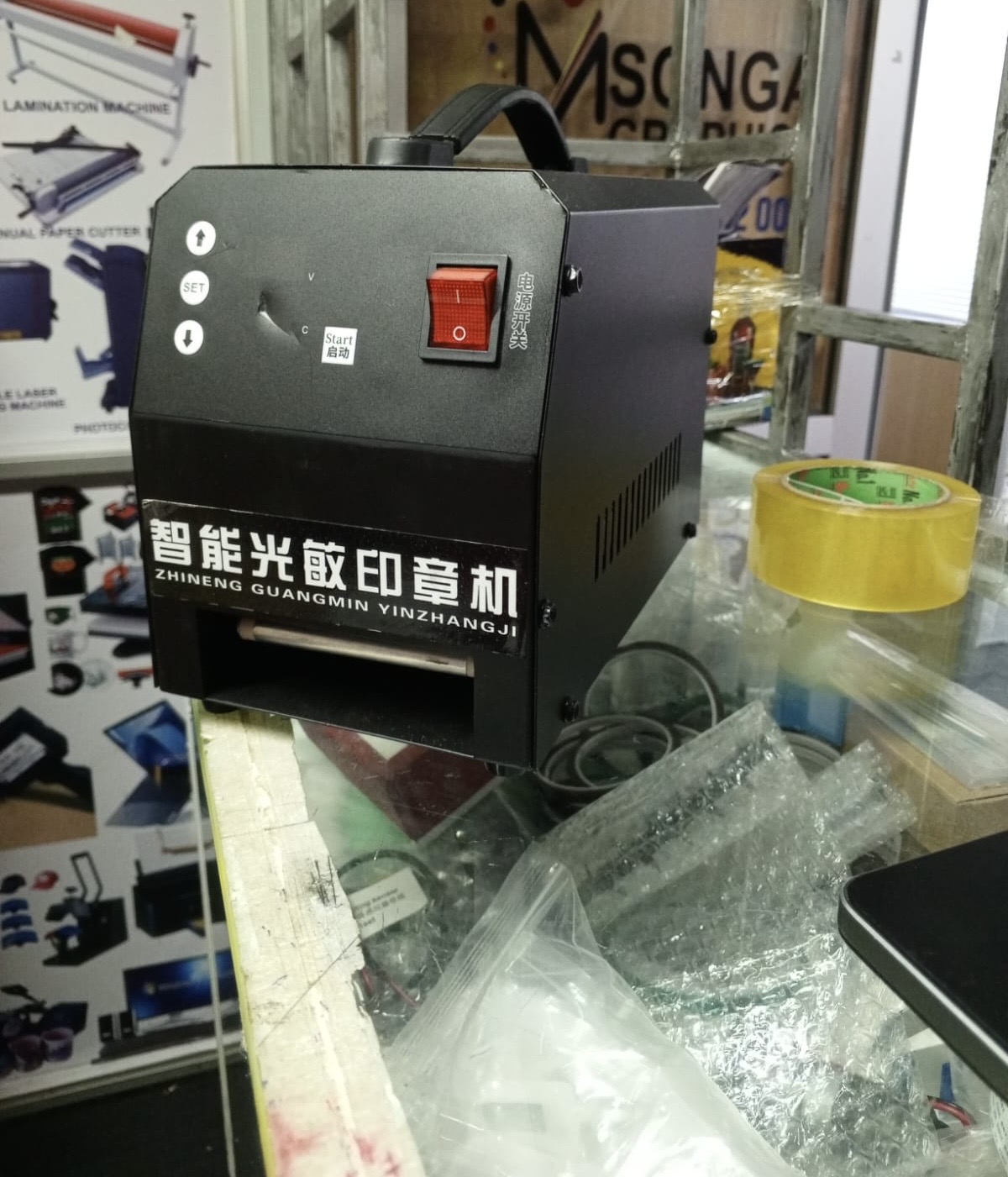
Automatic Flash Stamp Making Machine
KSh 69,500.00
Key Features
Category: Branding & Printing Equipments > Stamp Making Machine
Related Products
View All →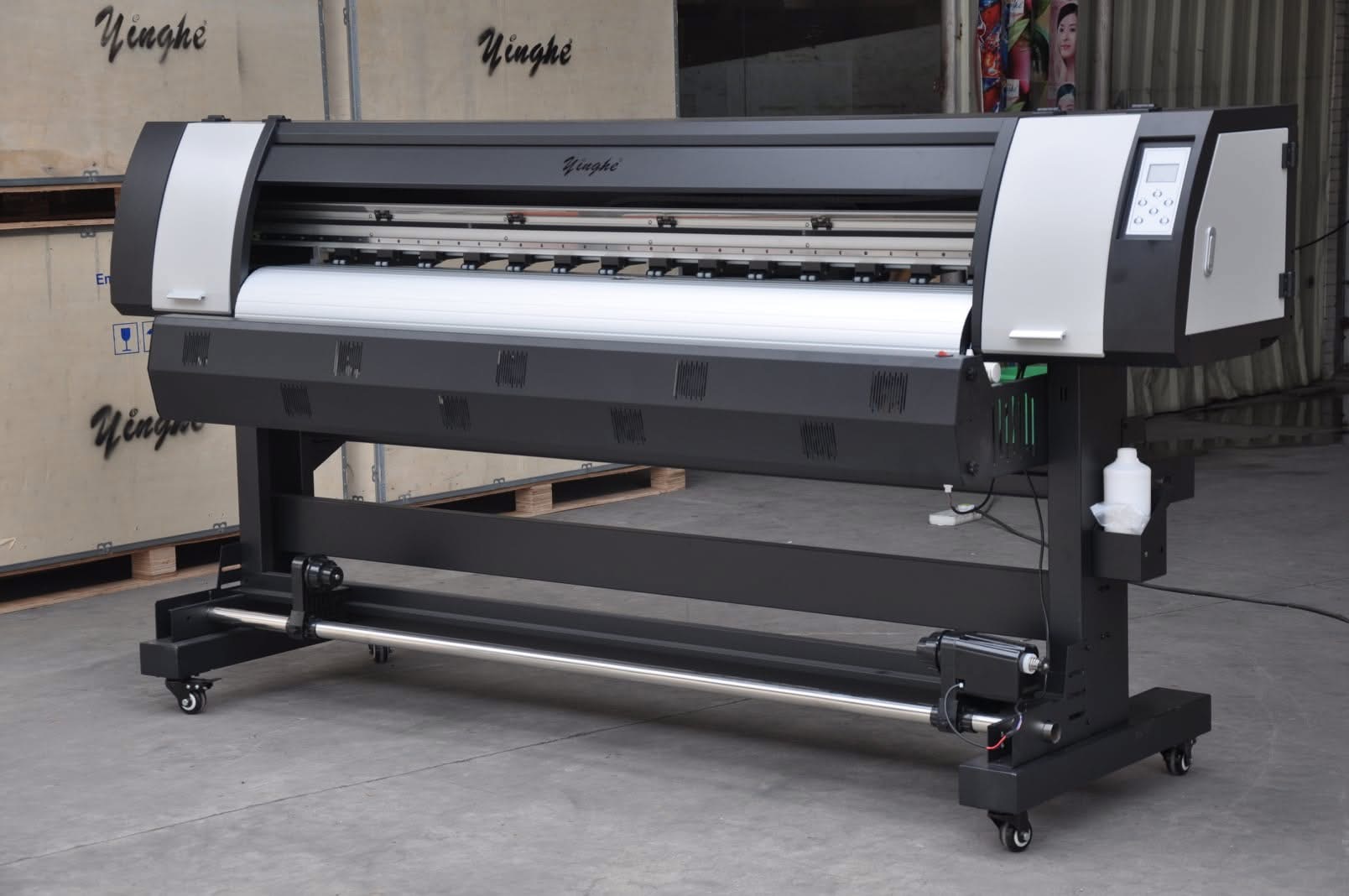
Yinghe Single Epson i3200 Sublimation Large Format Printer
KSh 595,000.00
KSh 650,000.00
8% OFF (ex-VAT)

Freesub 8 in 1 Combo Heat Press Machine
KSh 47,000.00
KSh 48,000.00
2% OFF (ex-VAT)

Yinghe A3 Perfect Glue Binding Machine
KSh 450,000.00
KSh 500,000.00
10% OFF (ex-VAT)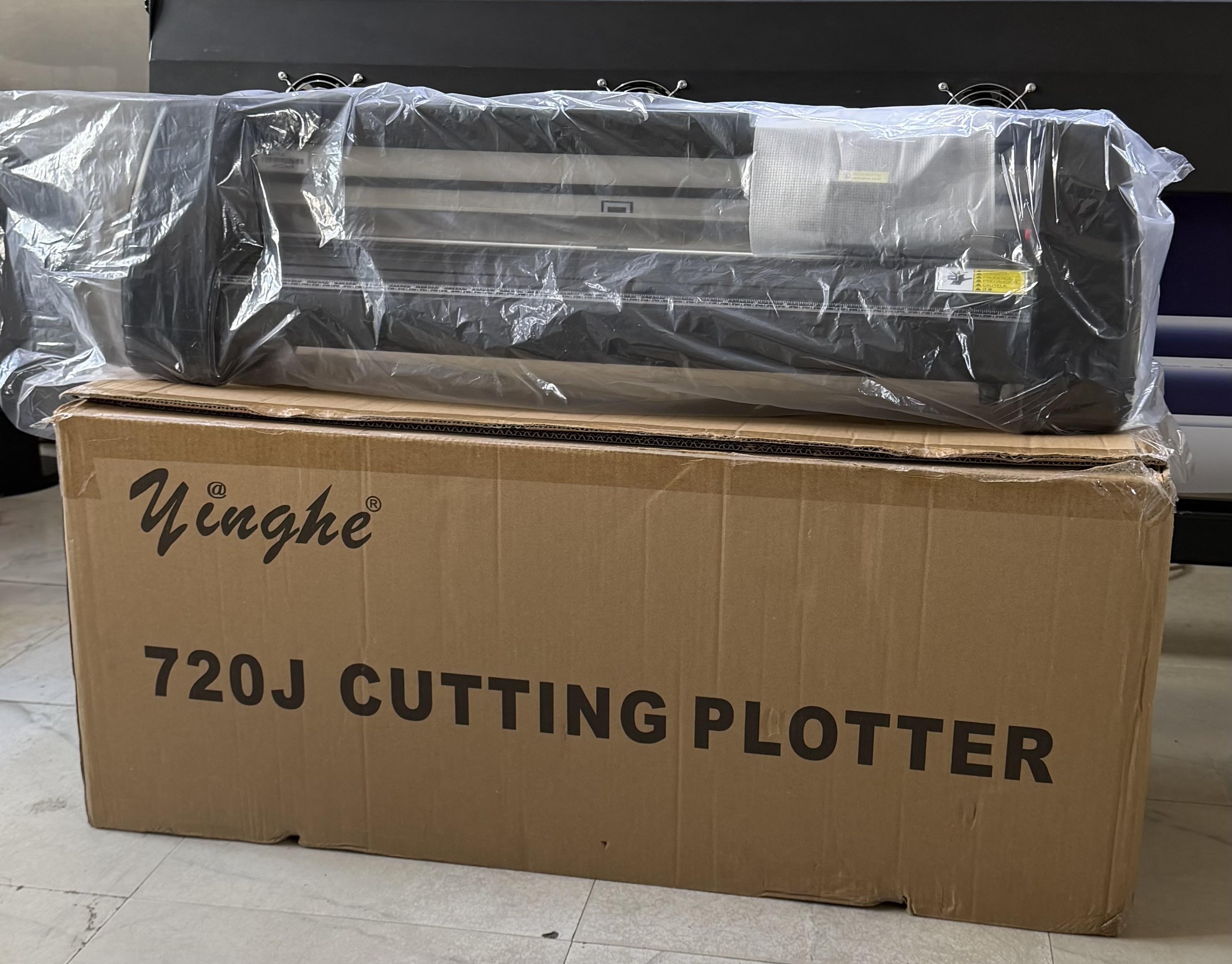
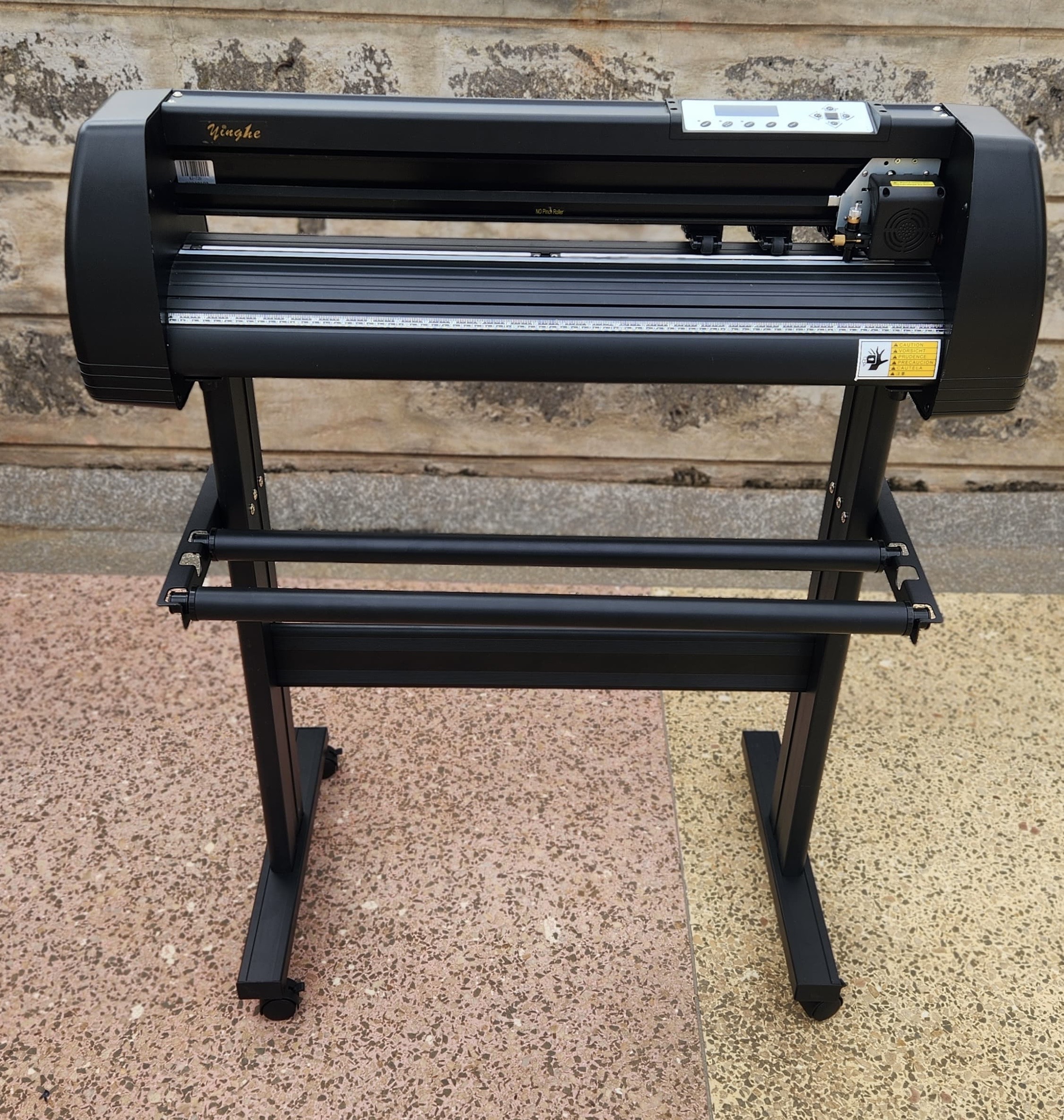
Yinghe 720j 2ft vinyl cutting plotter
KSh 42,000.00
KSh 45,000.00
7% OFF (ex-VAT)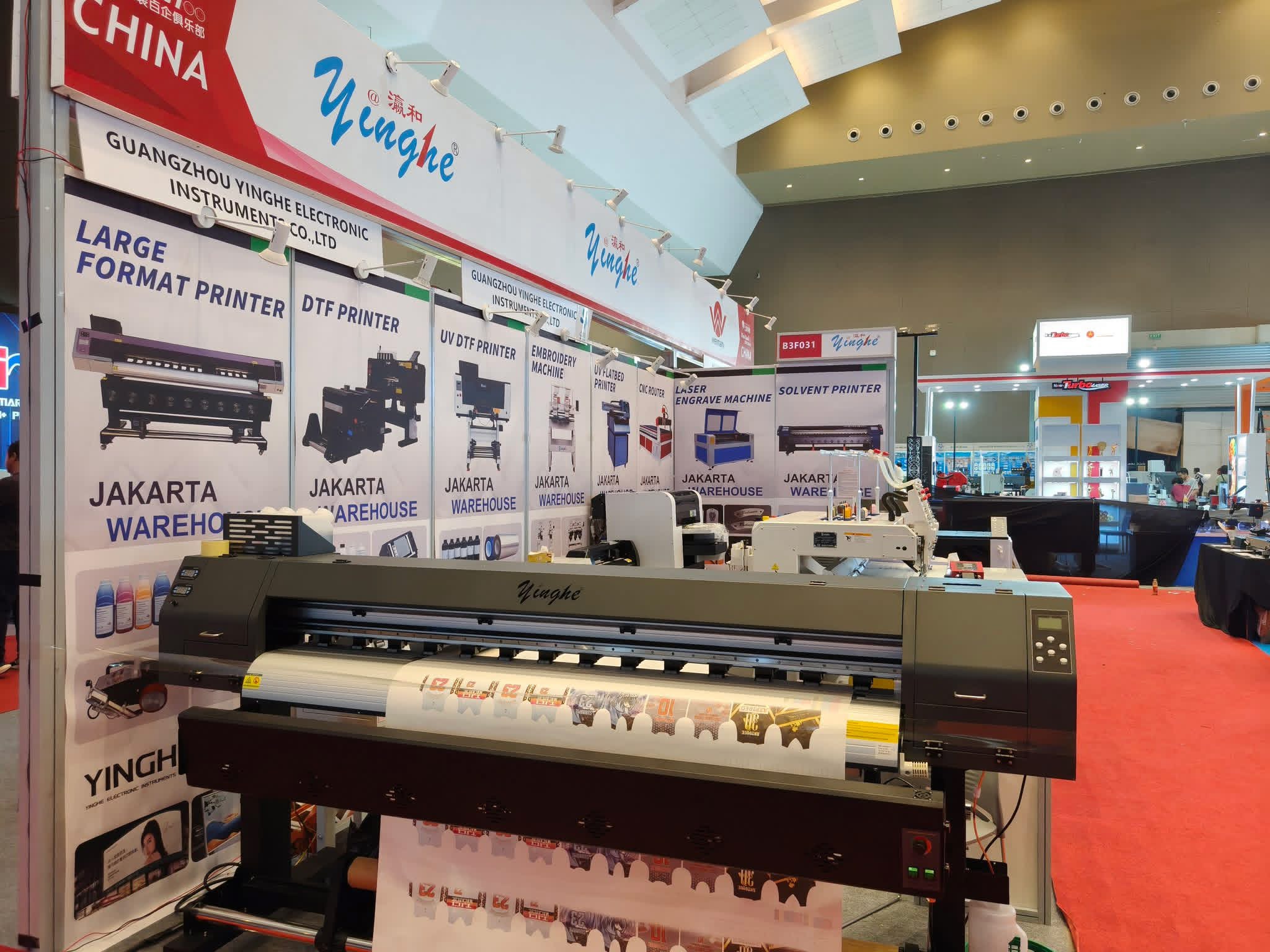
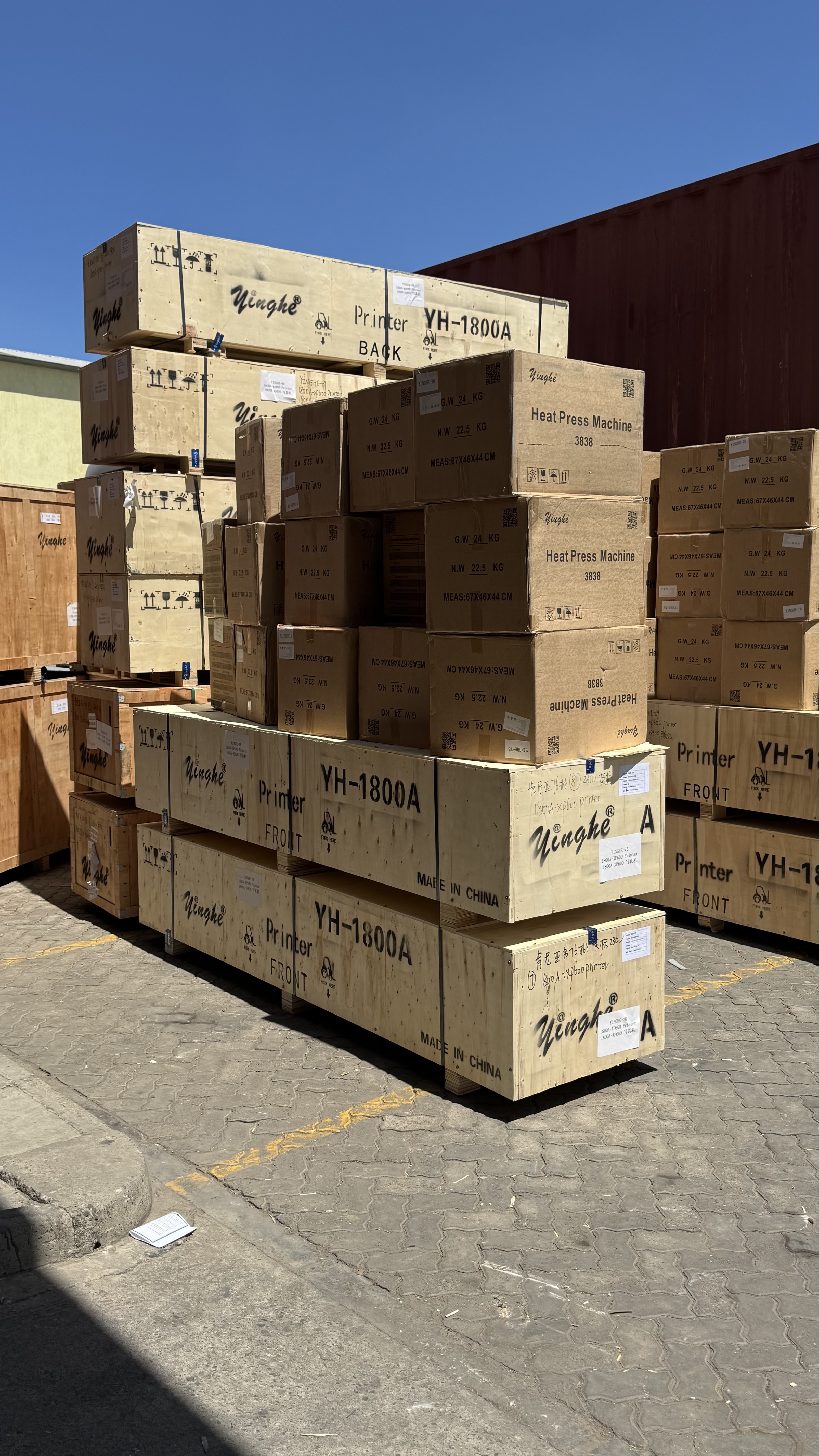
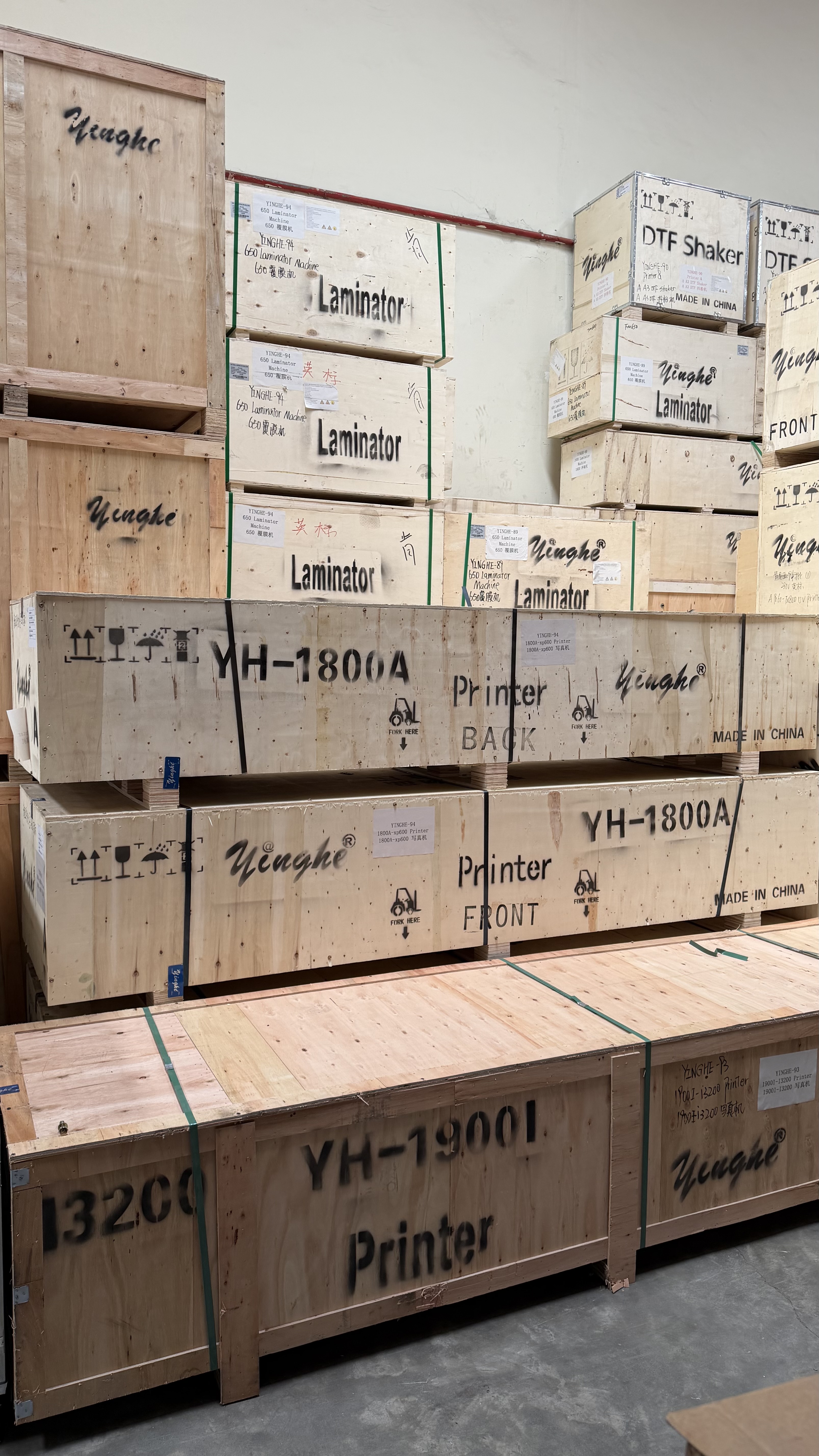
yinghe 1.8m sublimation Large format printer with Epson i3200 Head
KSh 595,000.00
KSh 630,000.00
6% OFF (ex-VAT)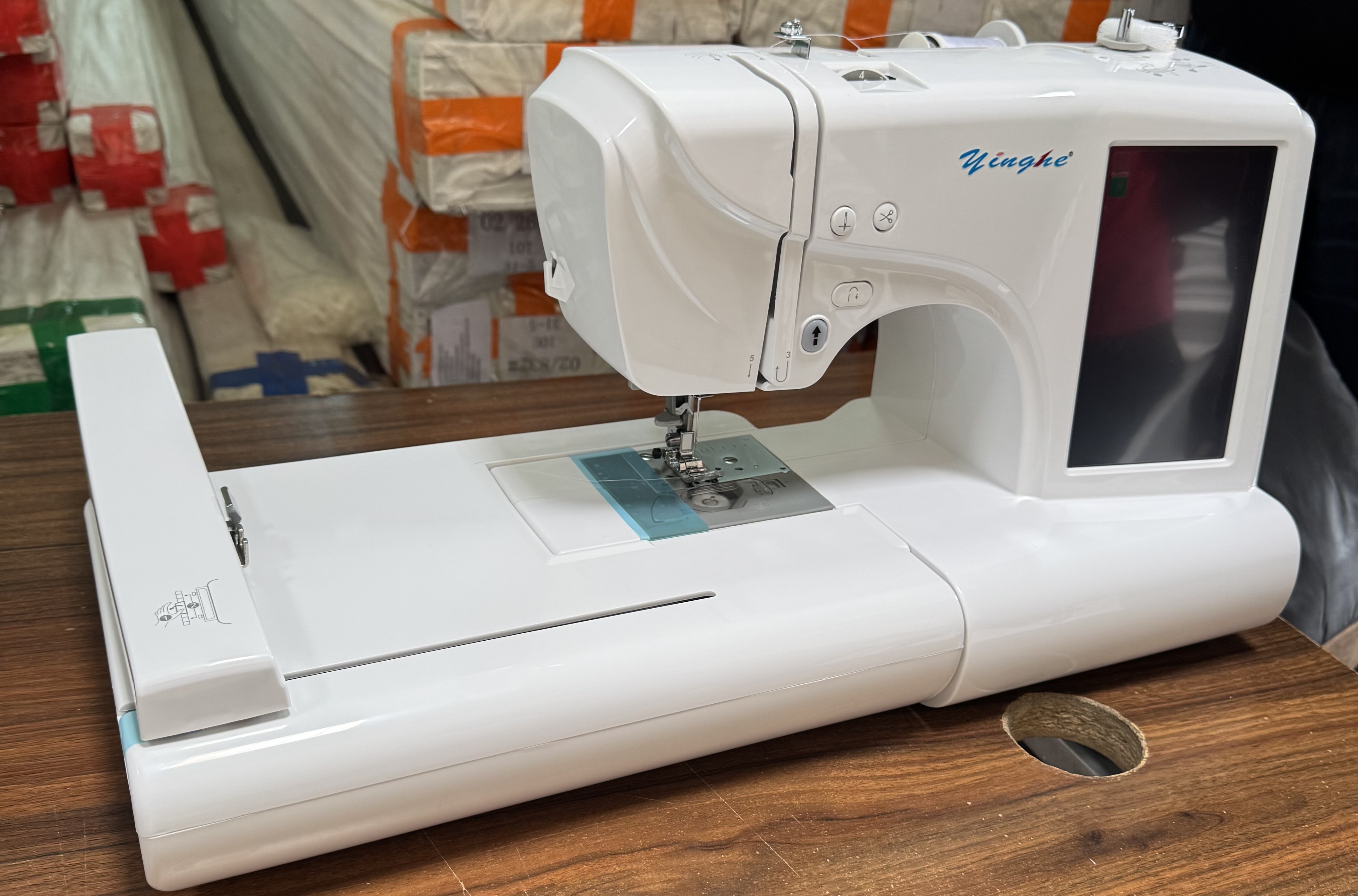
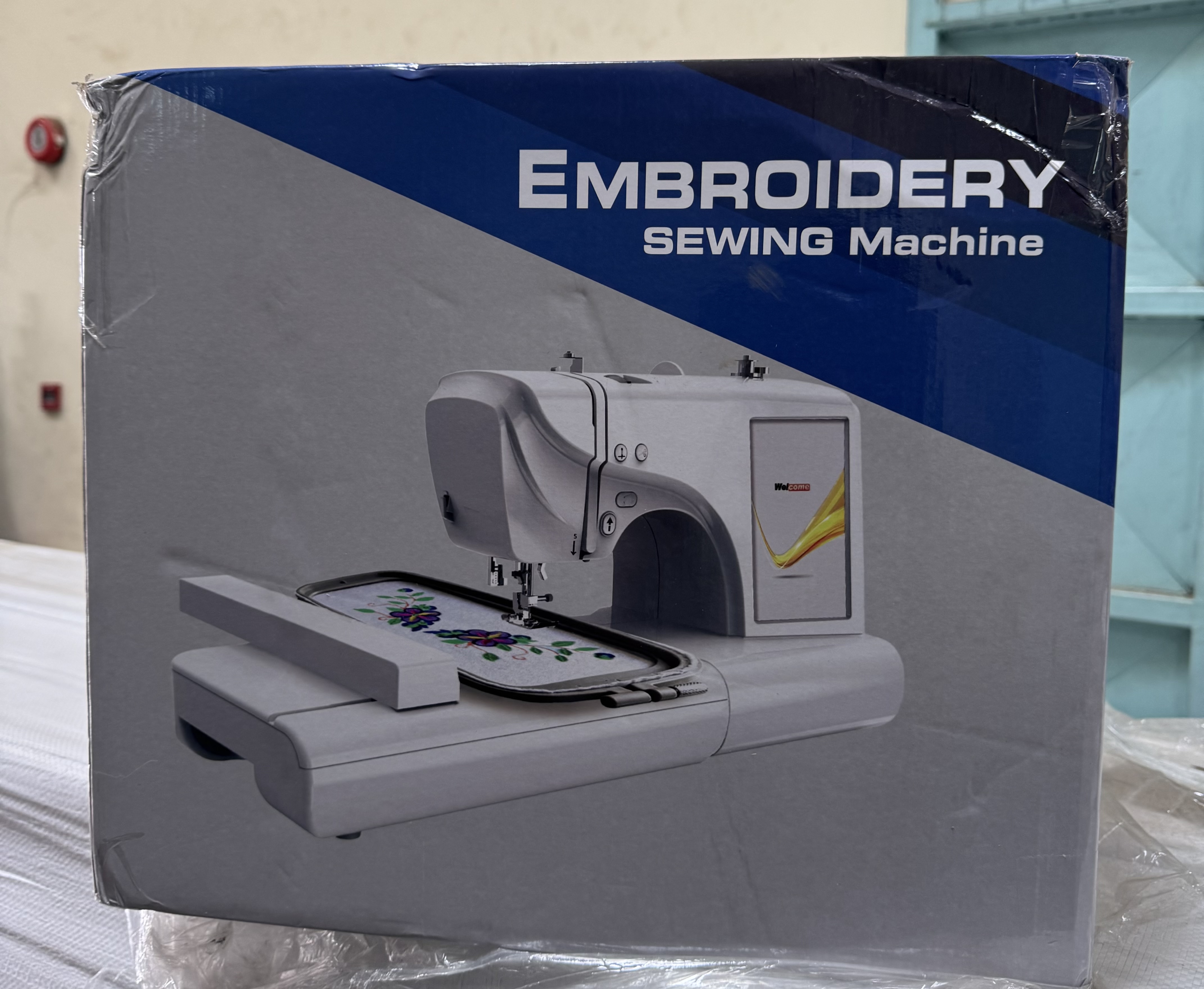
Yinghe ES5 1 Head 1 Needle Desktop Embroidery Machine
KSh 110,000.00
KSh 115,000.00
4% OFF (ex-VAT)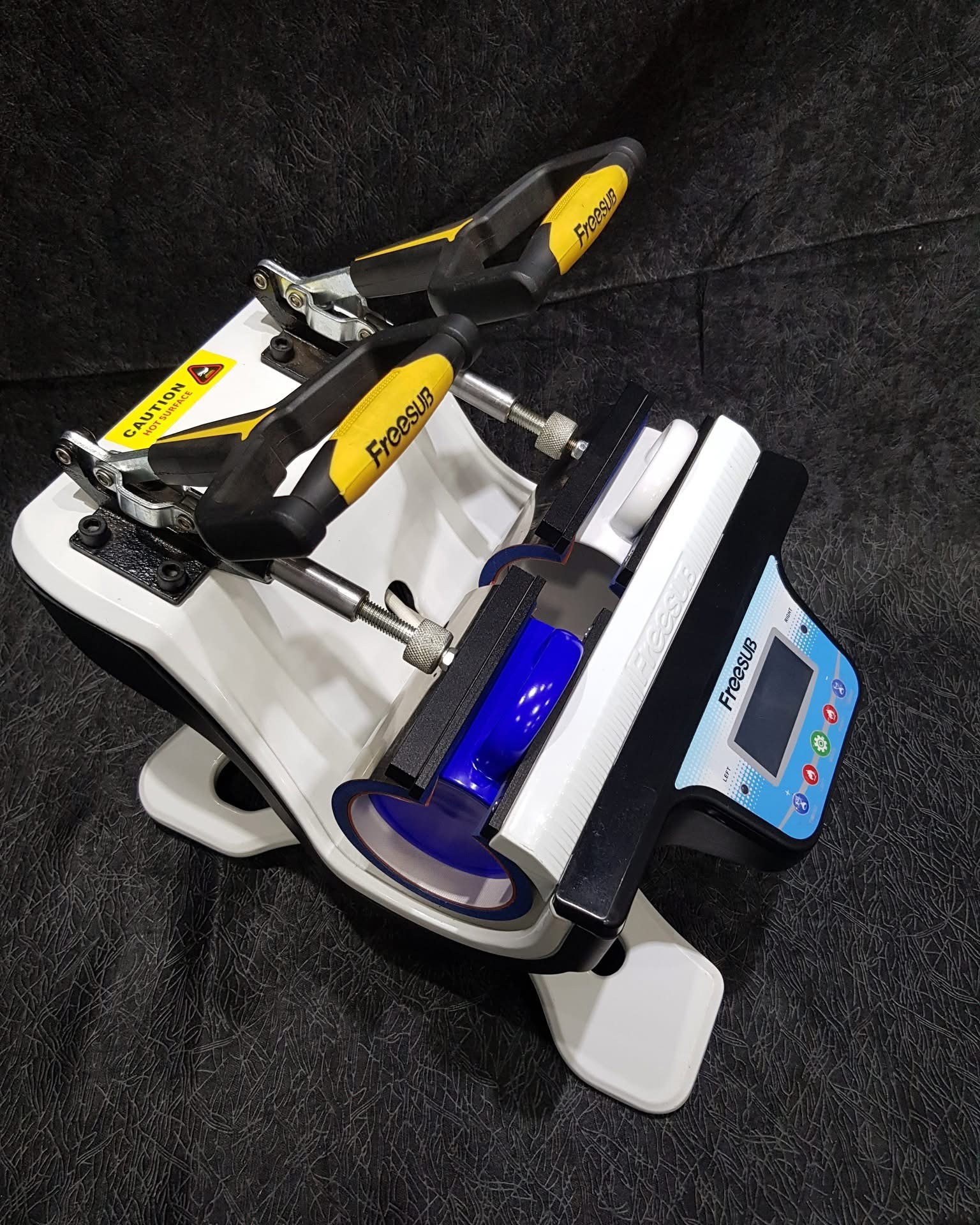
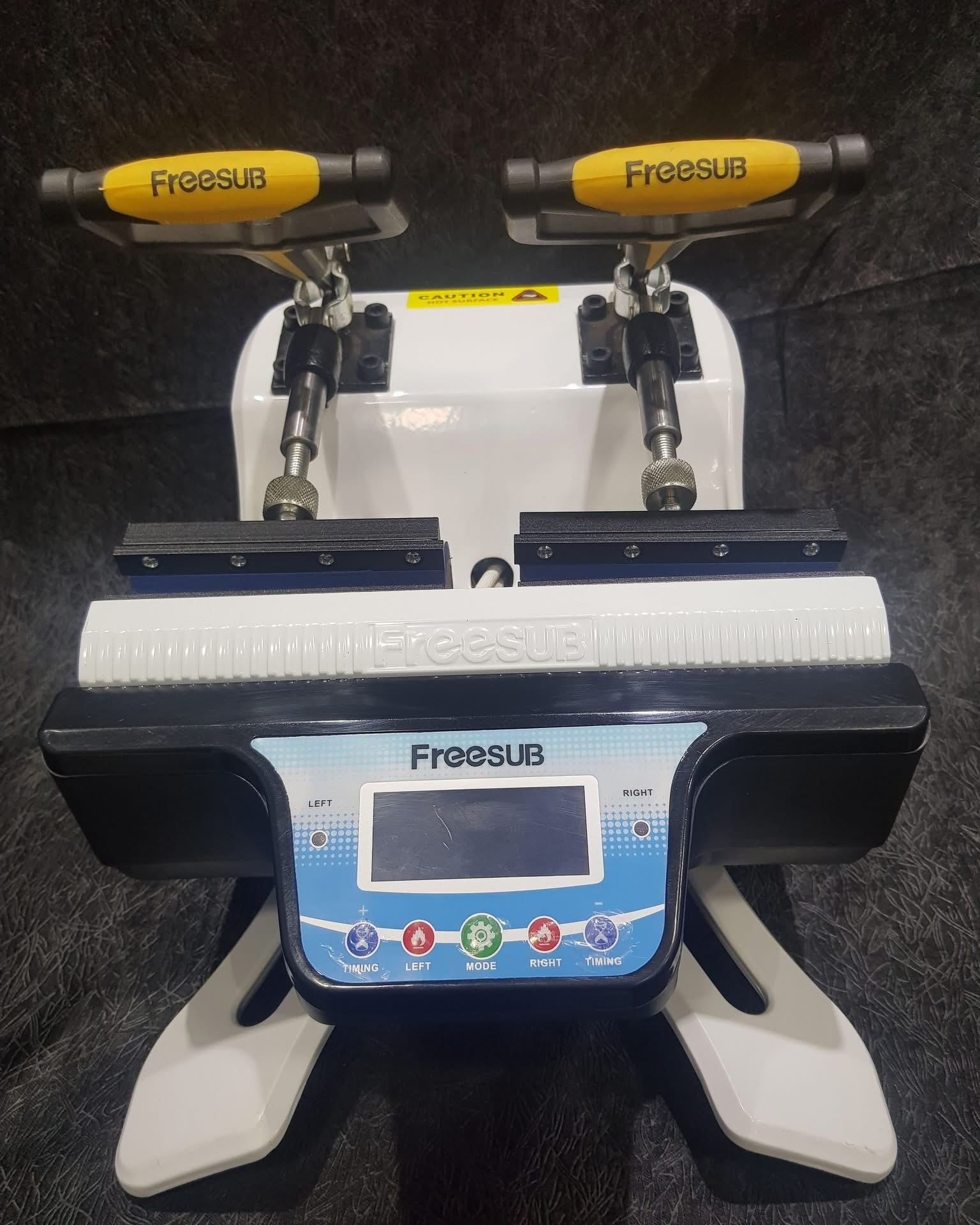
Double Station Mug Press Machine
KSh 24,500.00
KSh 26,000.00
6% OFF (ex-VAT)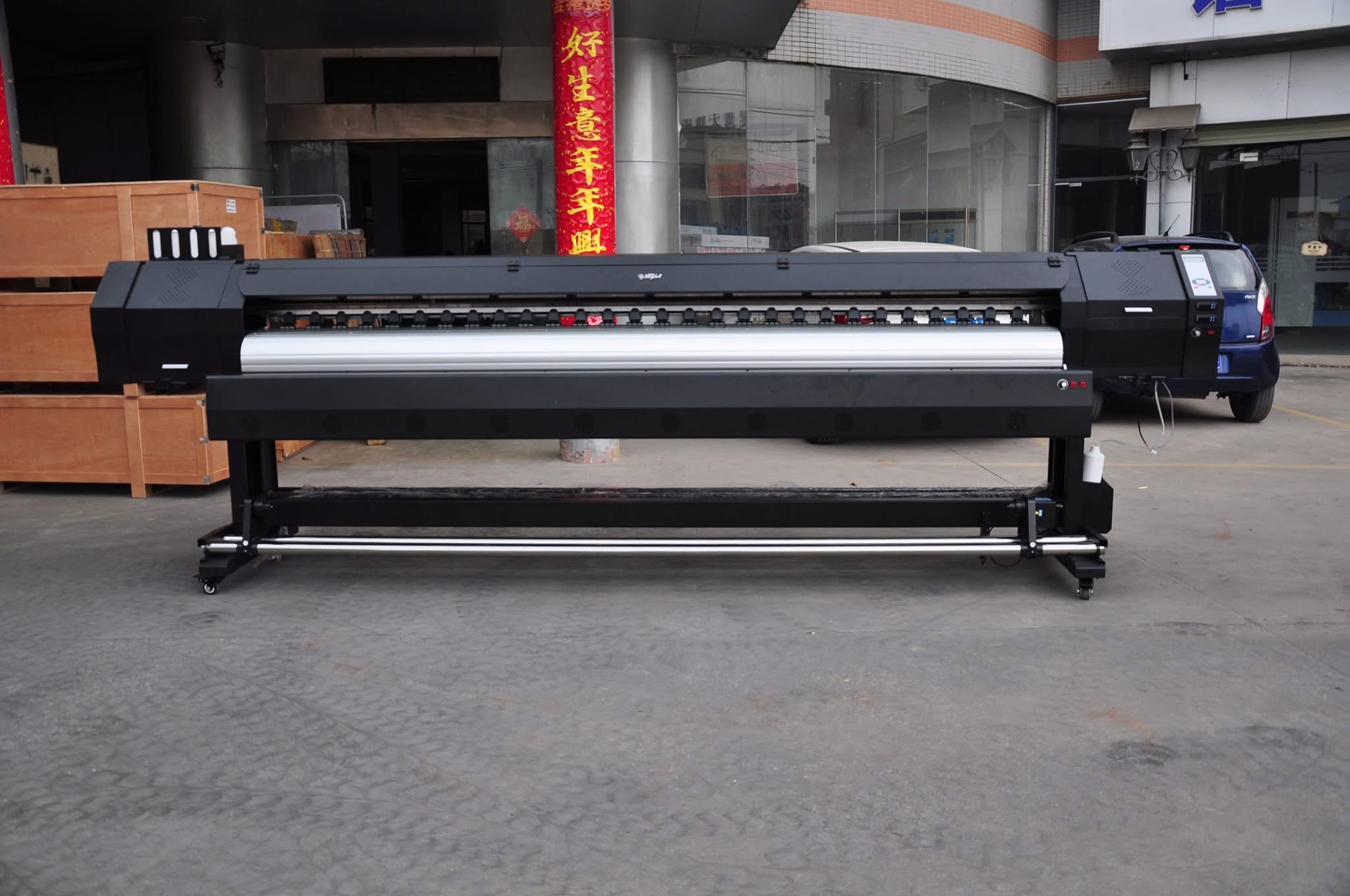
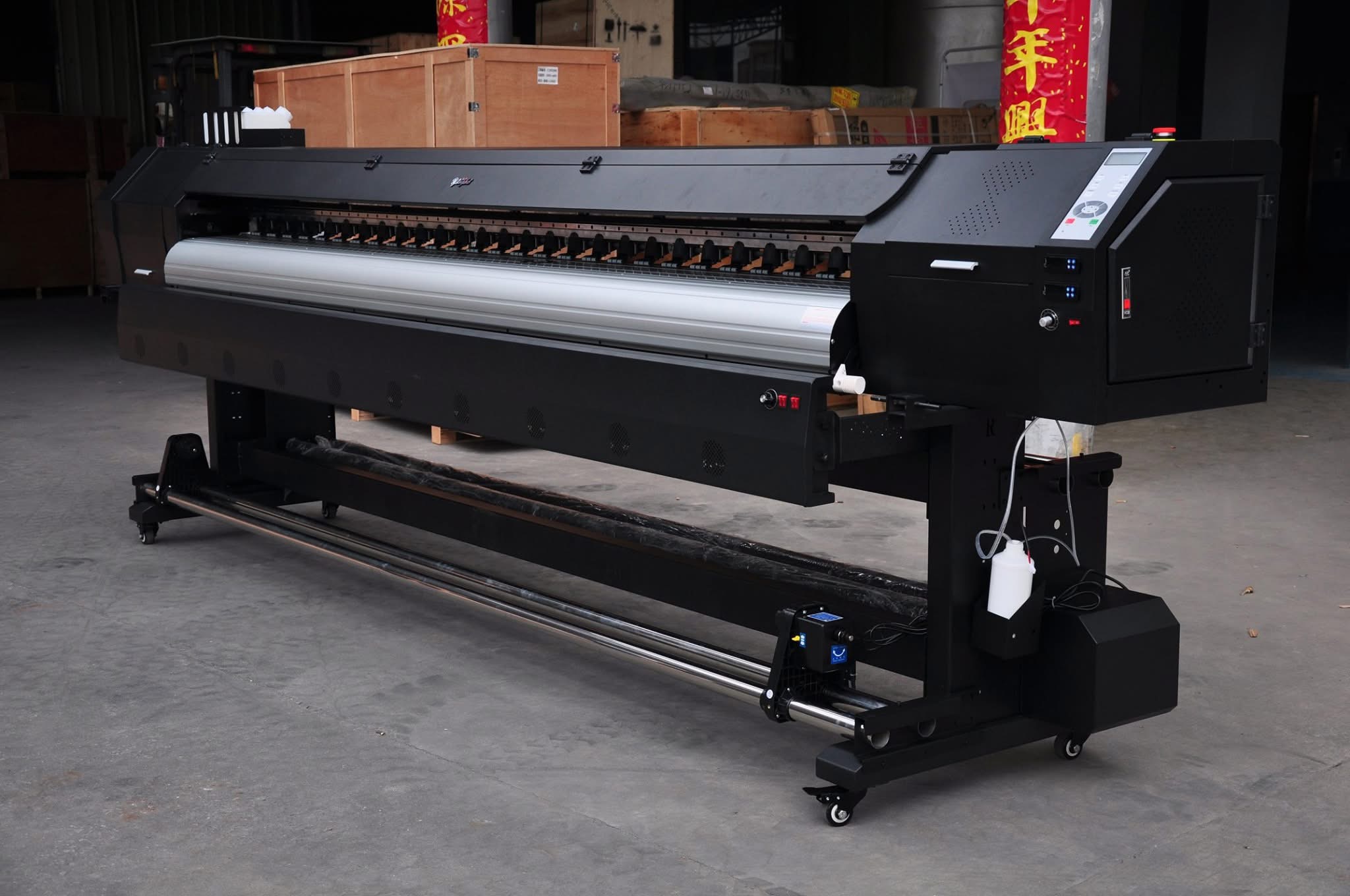
Yinghe 3.2m Eco-Solvent Large Format Printer with Double Xp600 Printer Head
KSh 1,070,000.00
KSh 1,150,000.00
7% OFF (ex-VAT)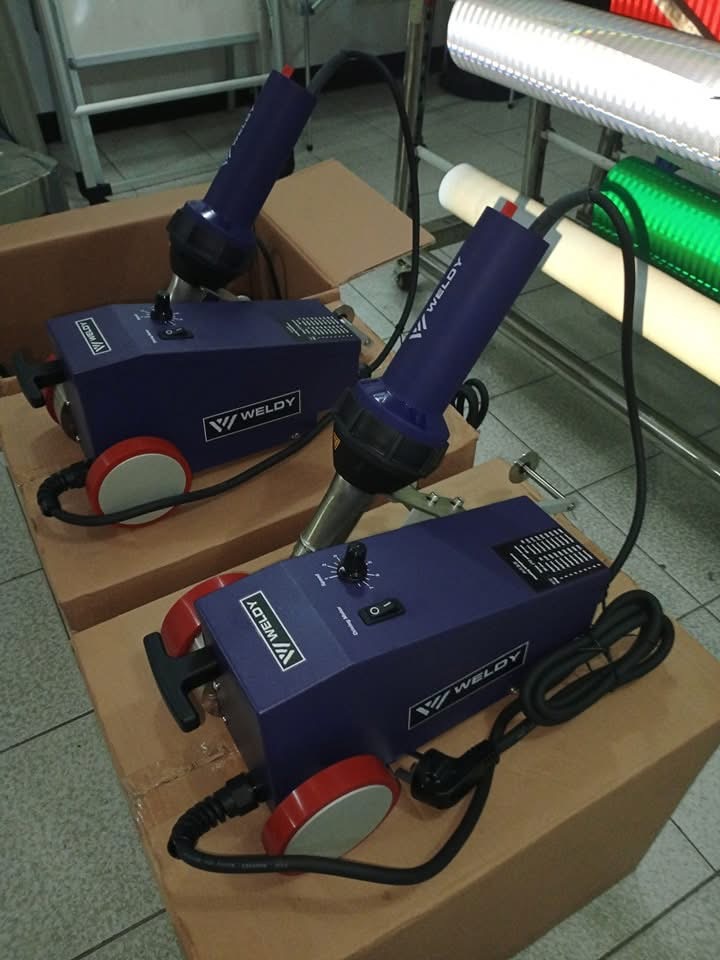
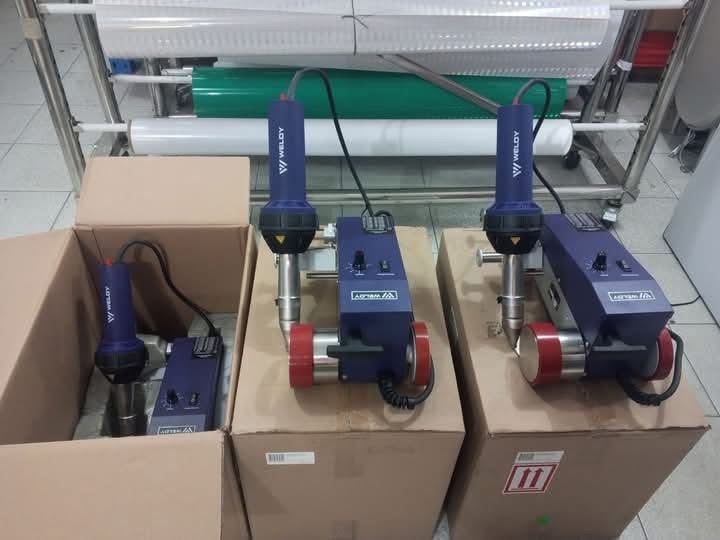
Yinghe Banner Welding Machine
KSh 99,500.00
KSh 105,000.00
5% OFF (ex-VAT)