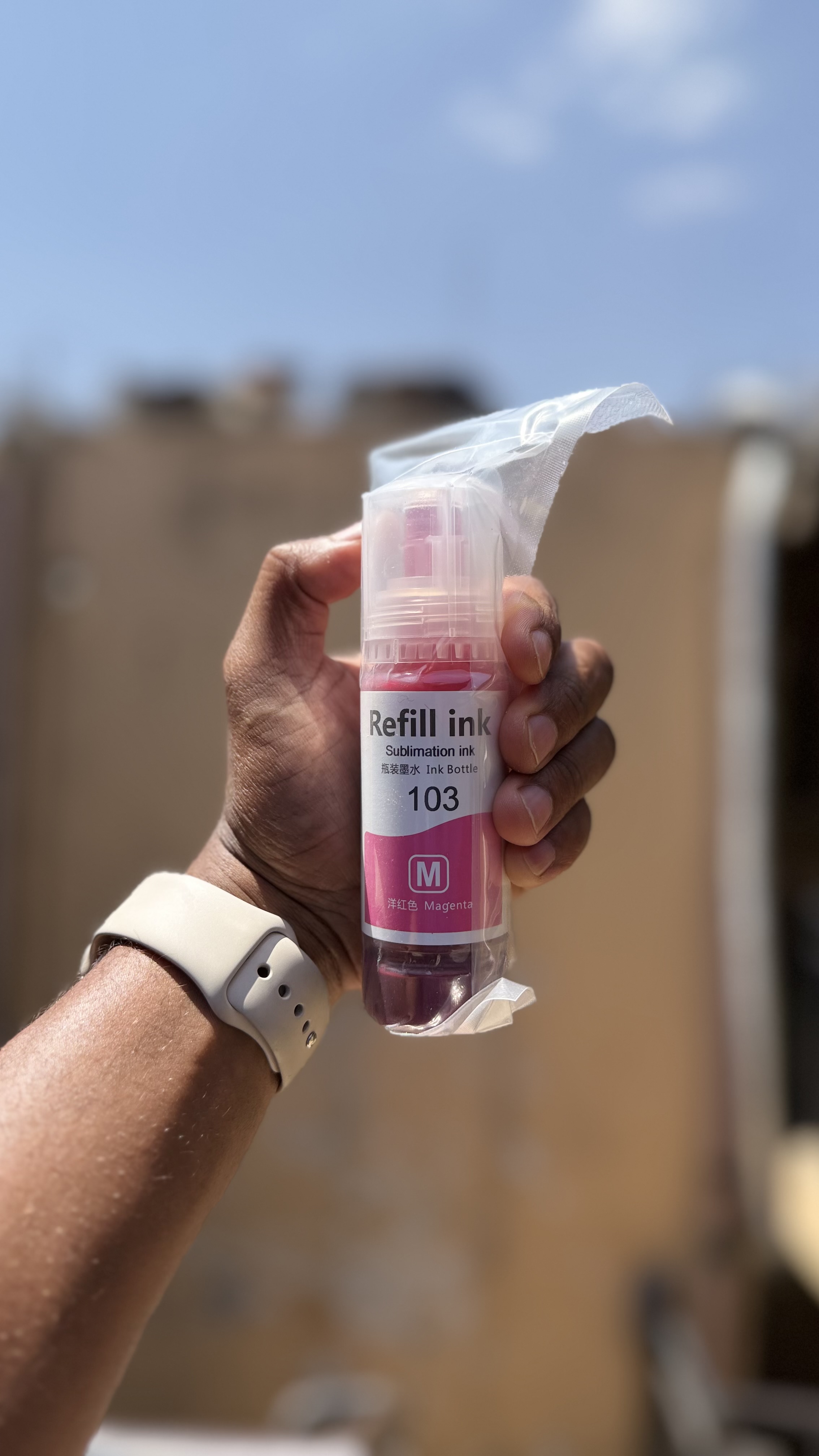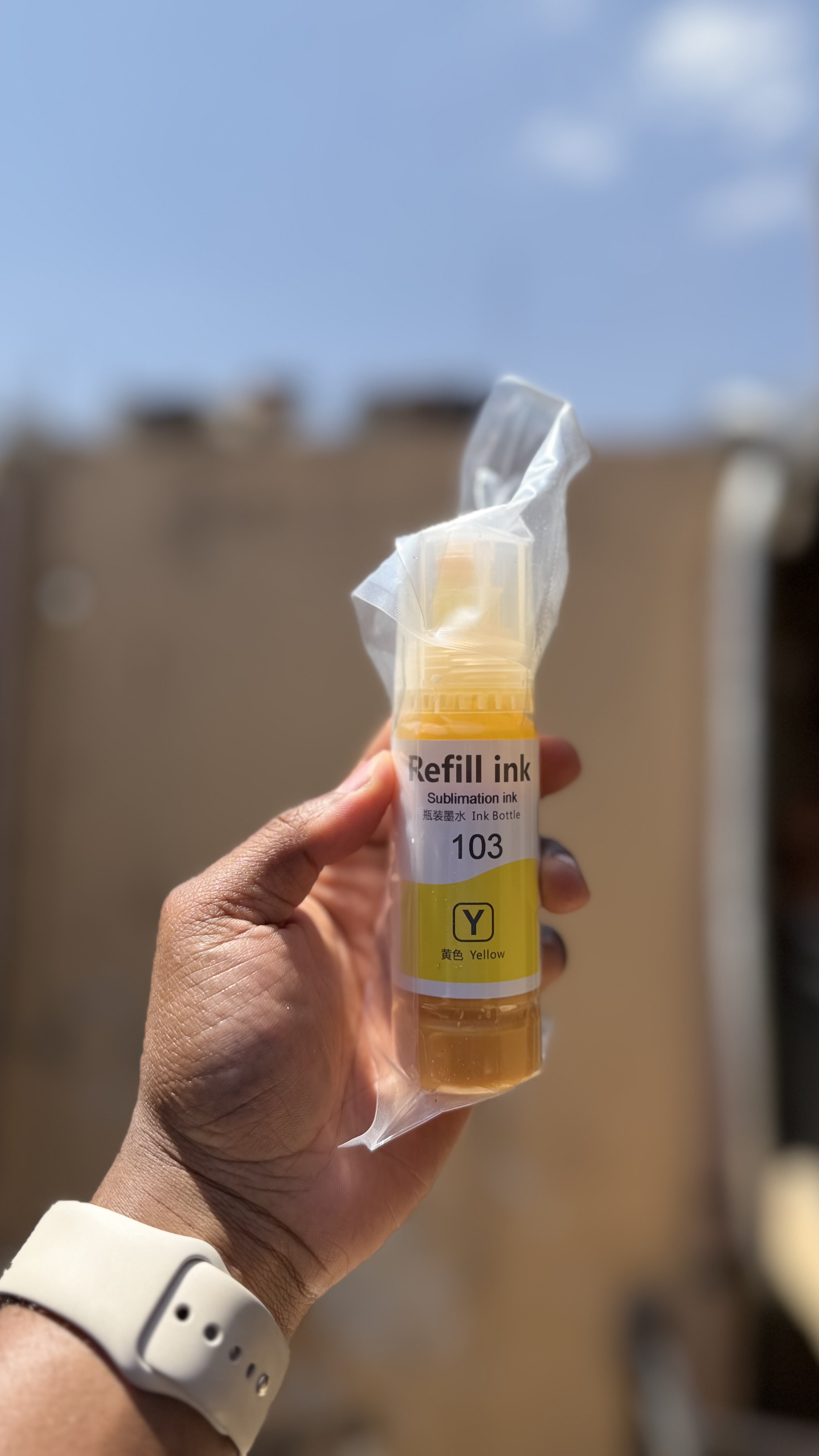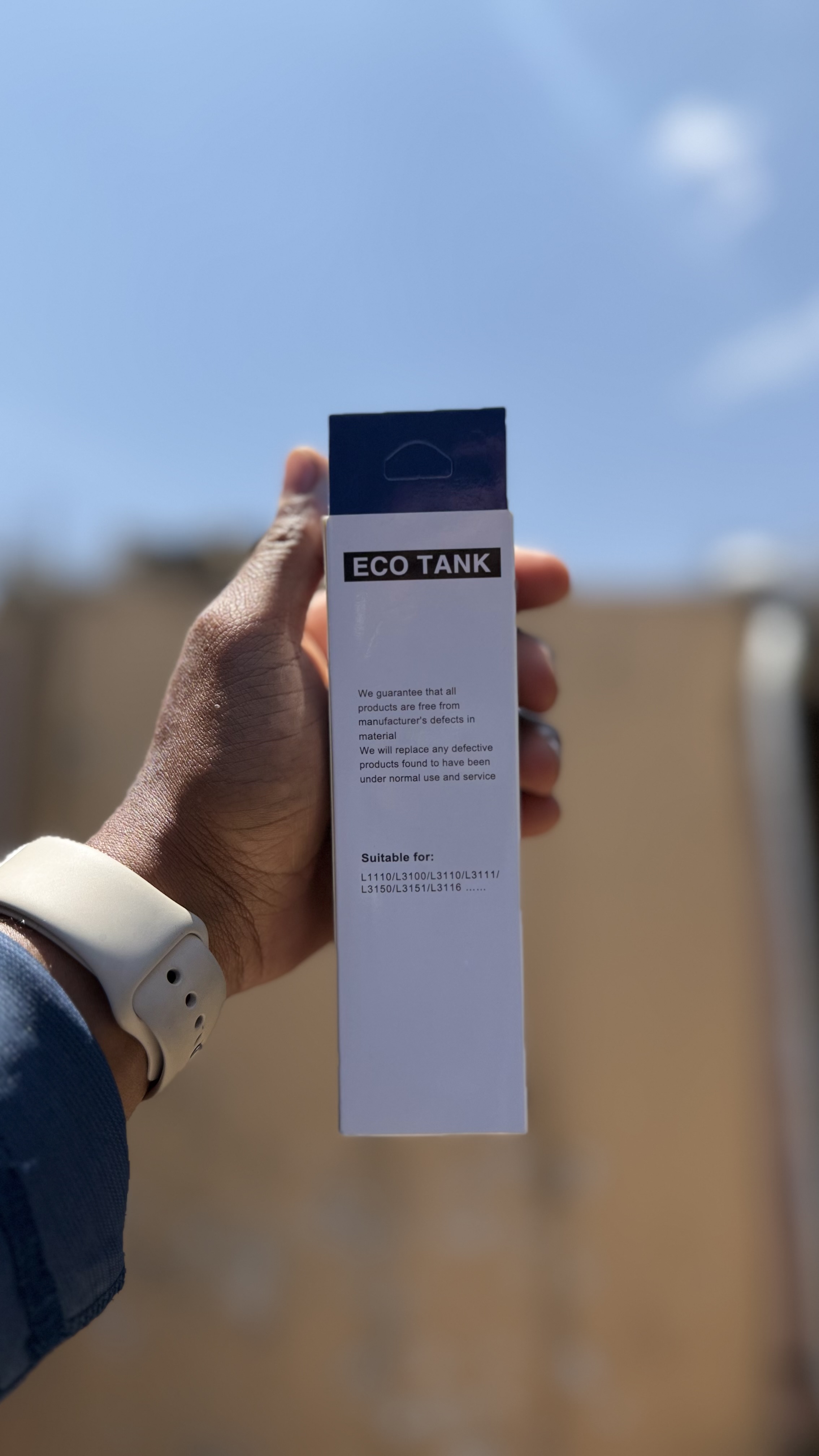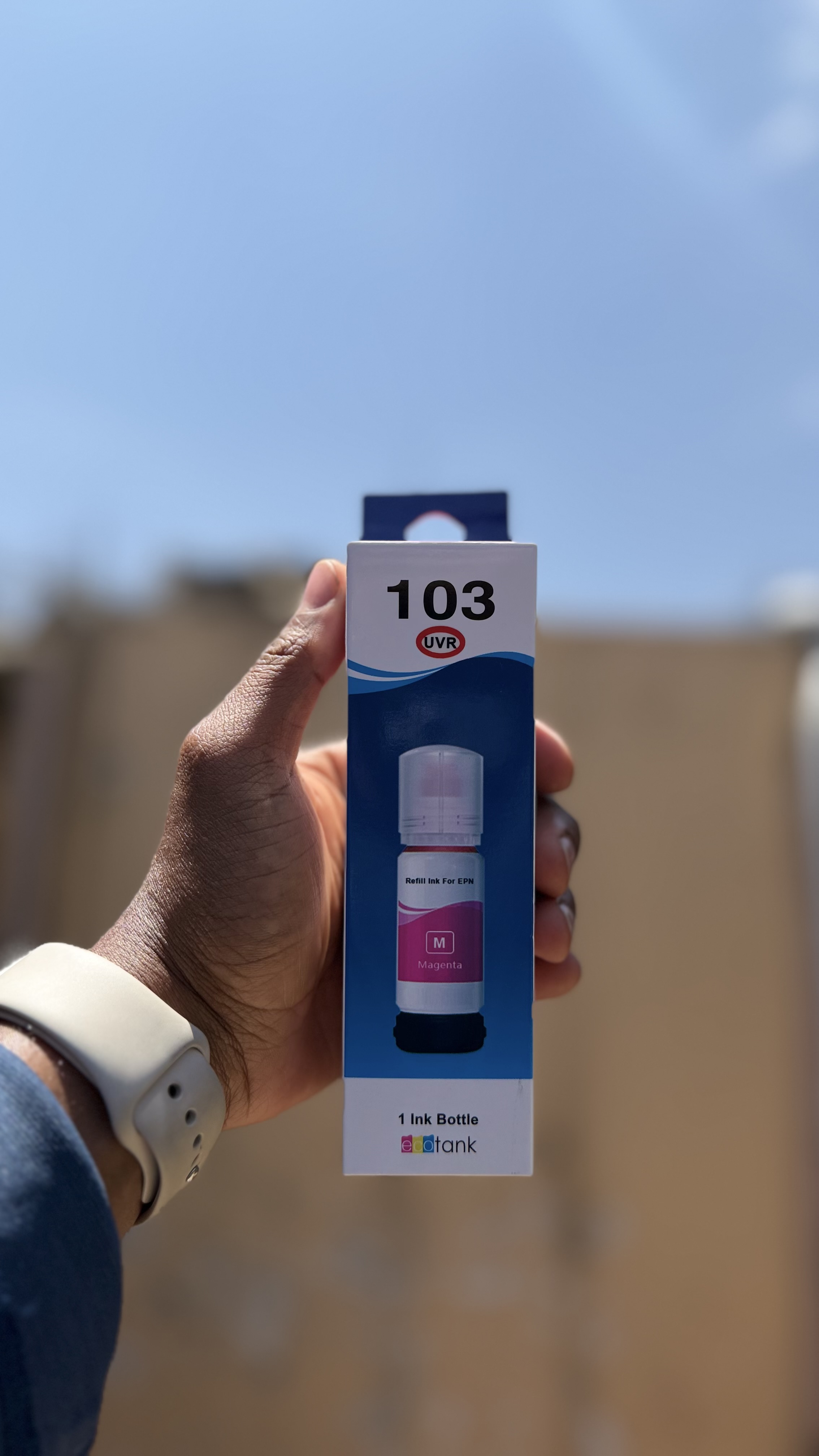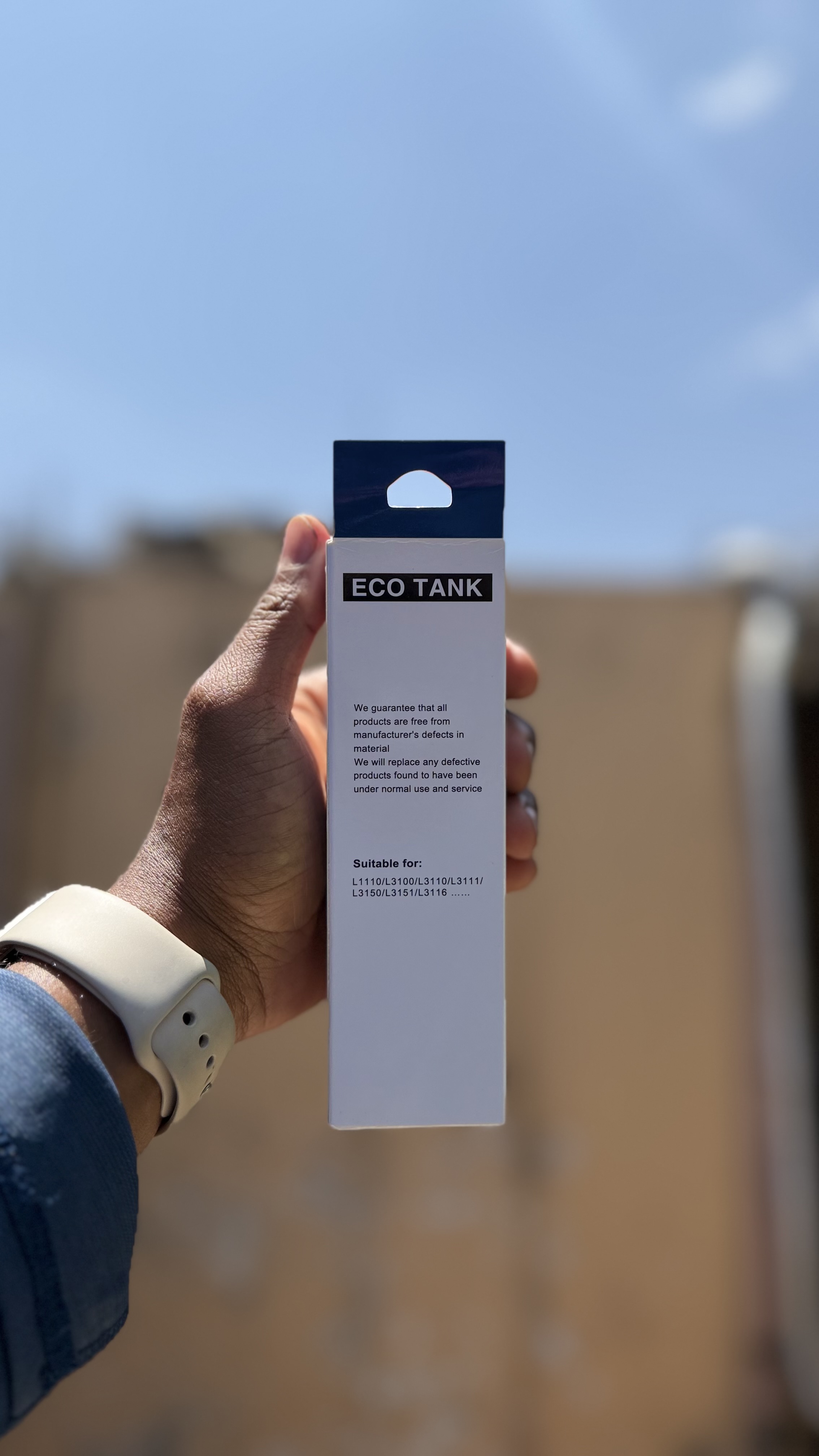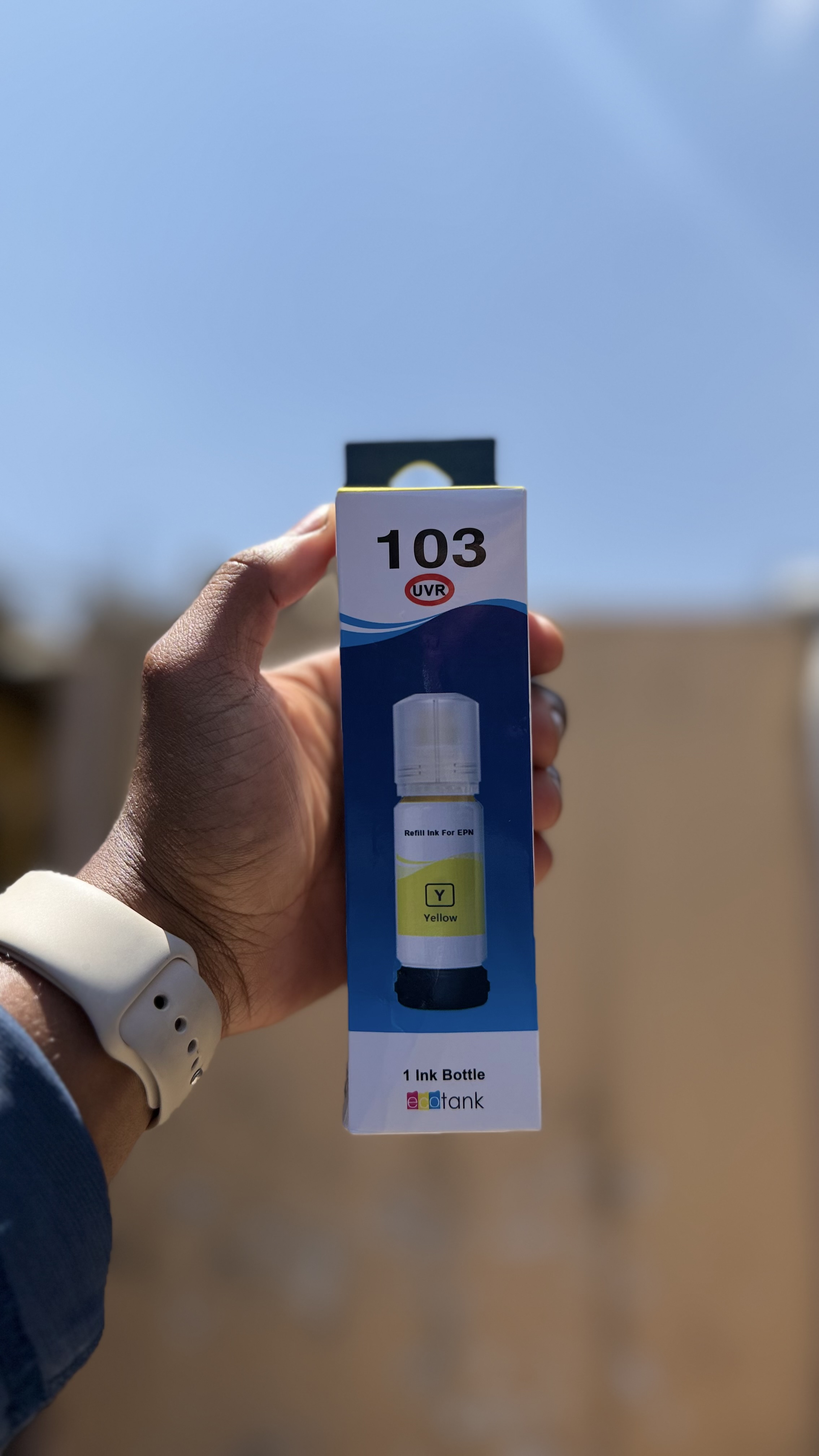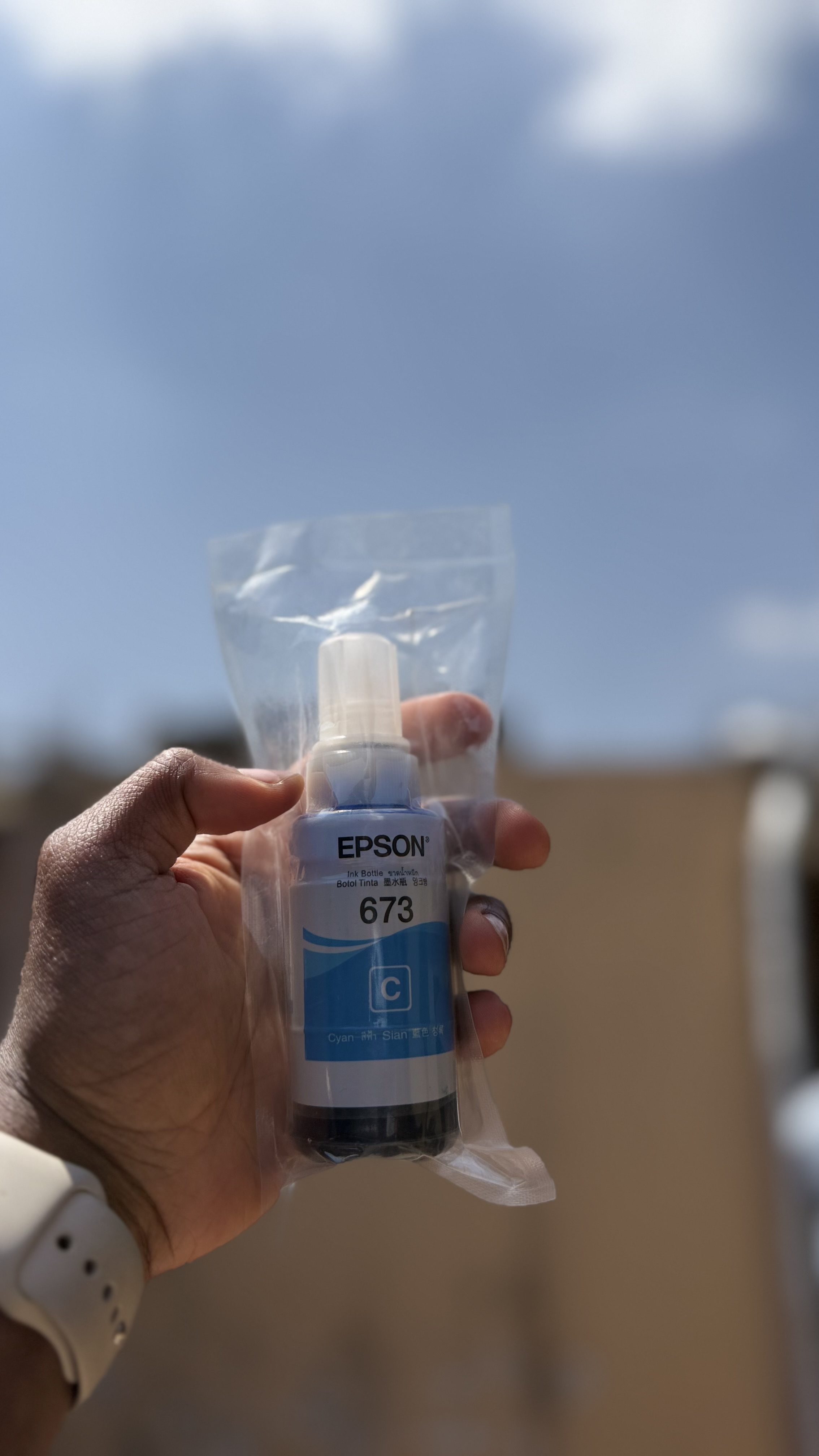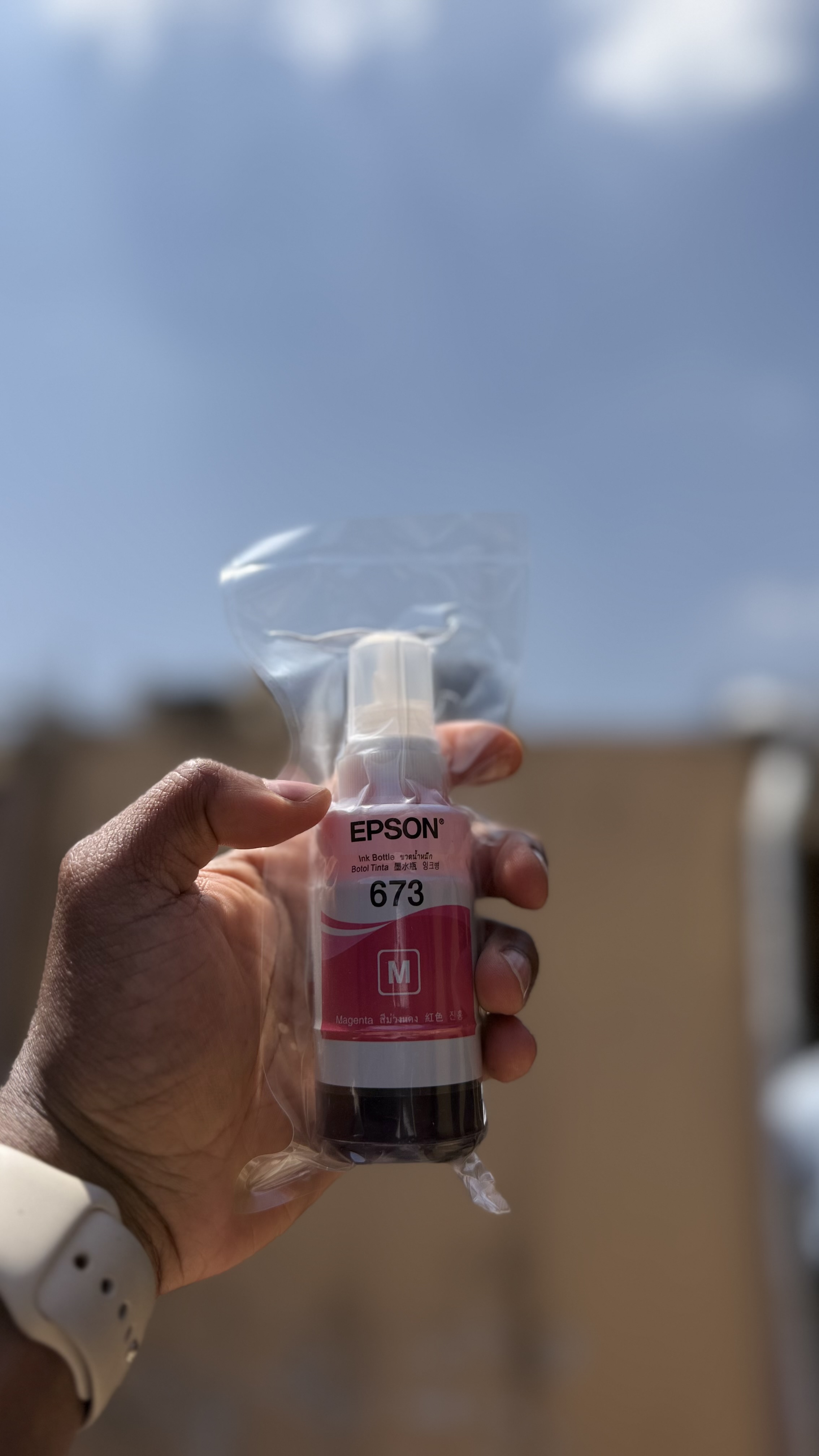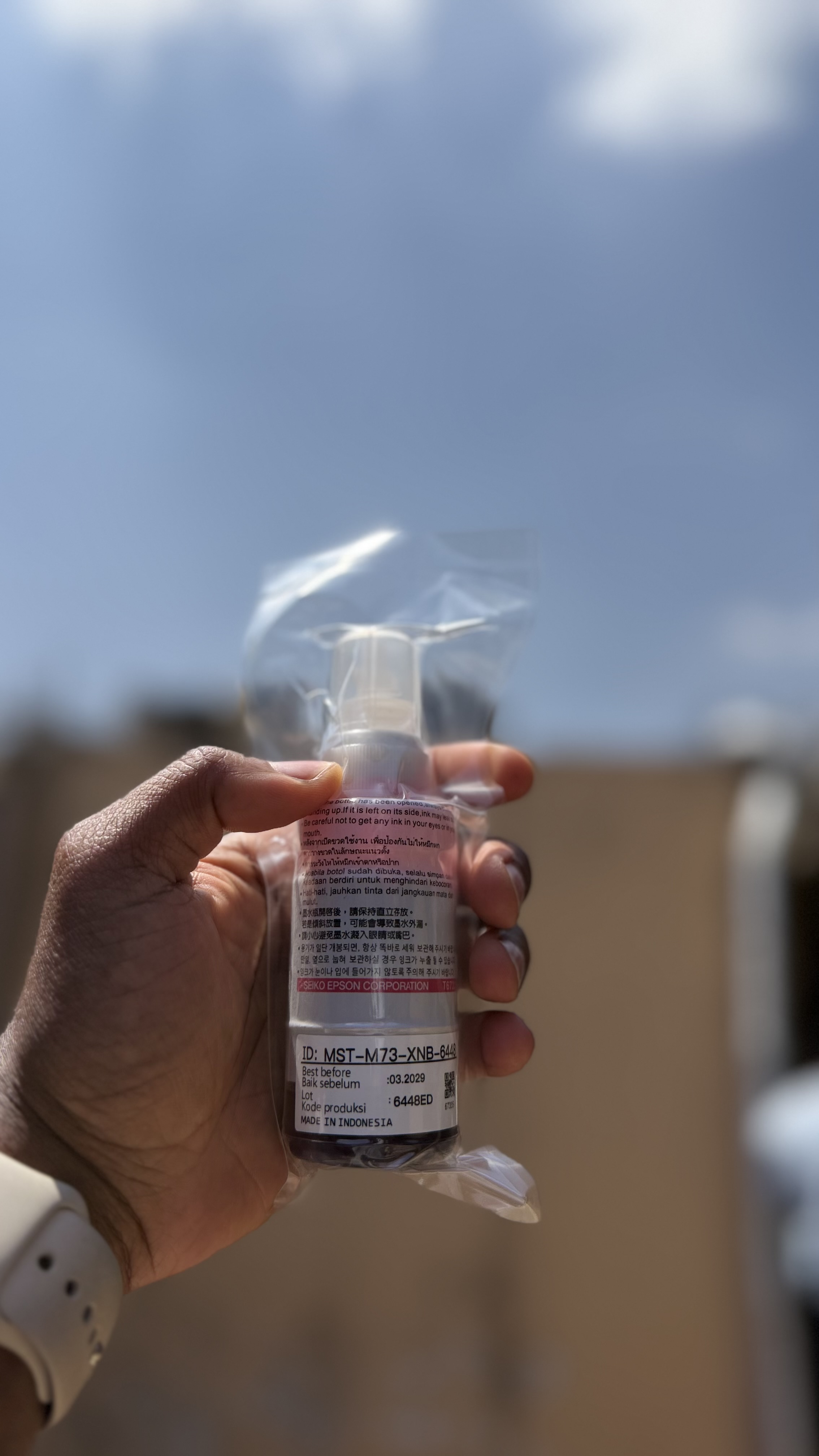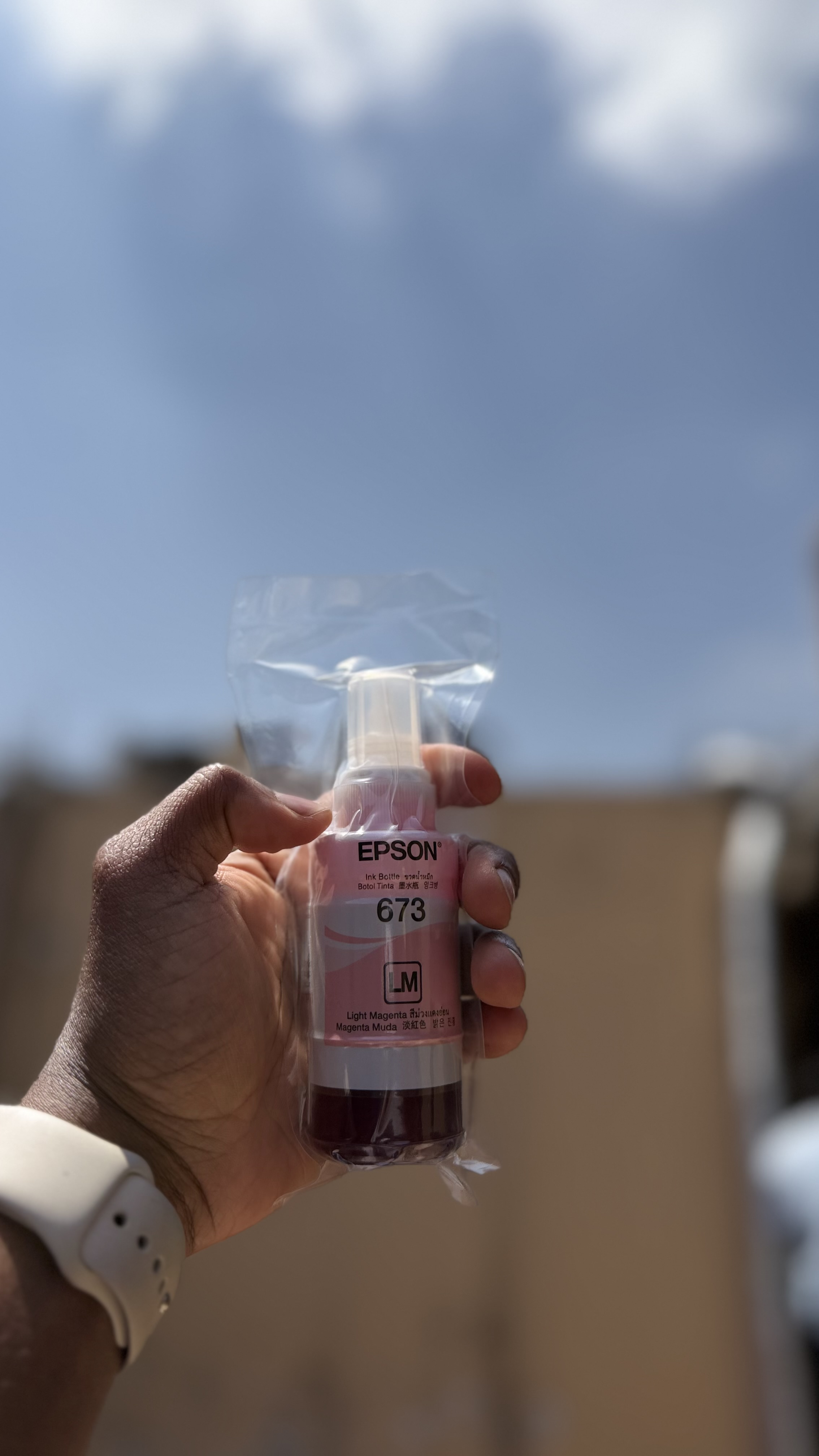
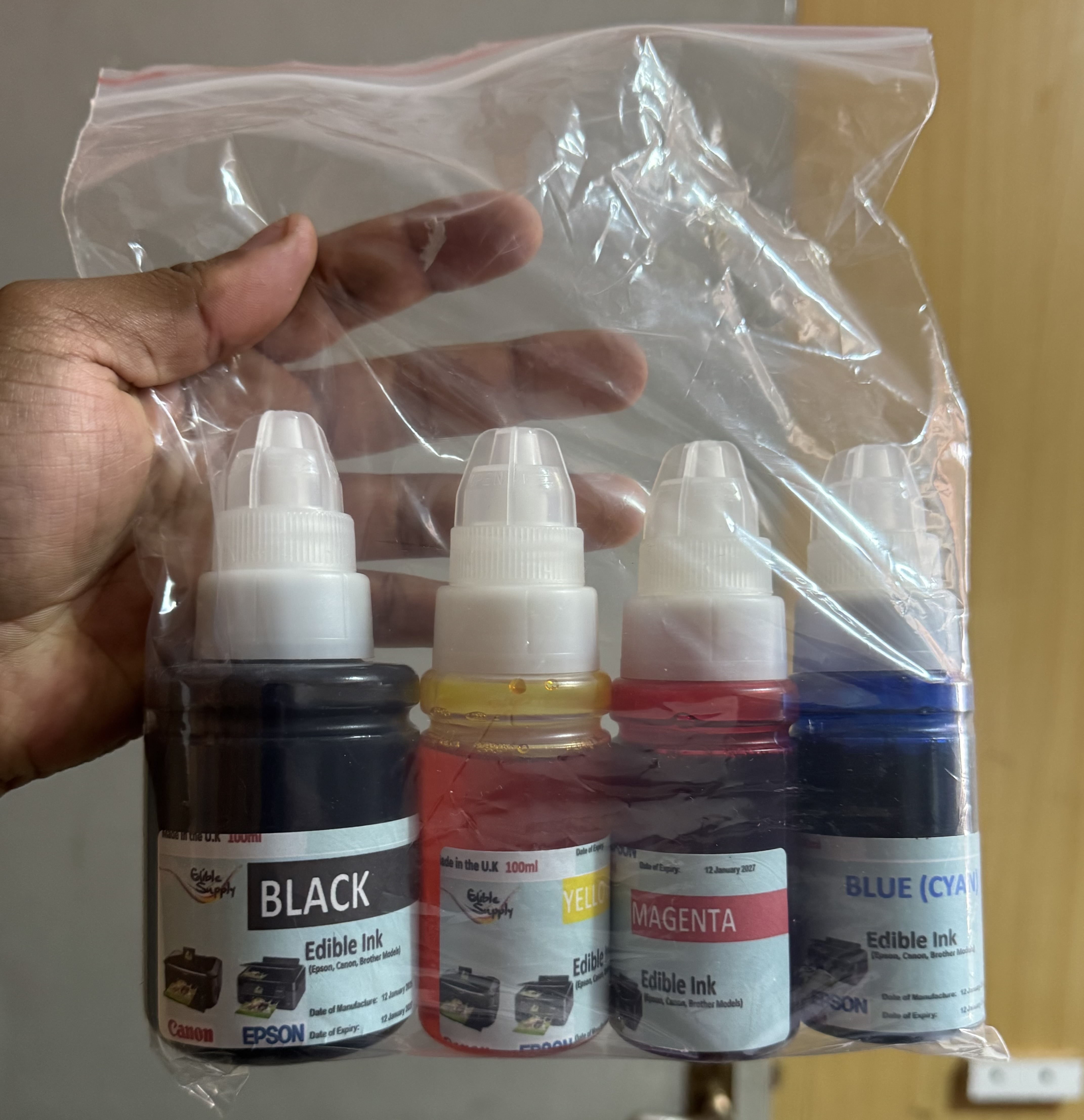
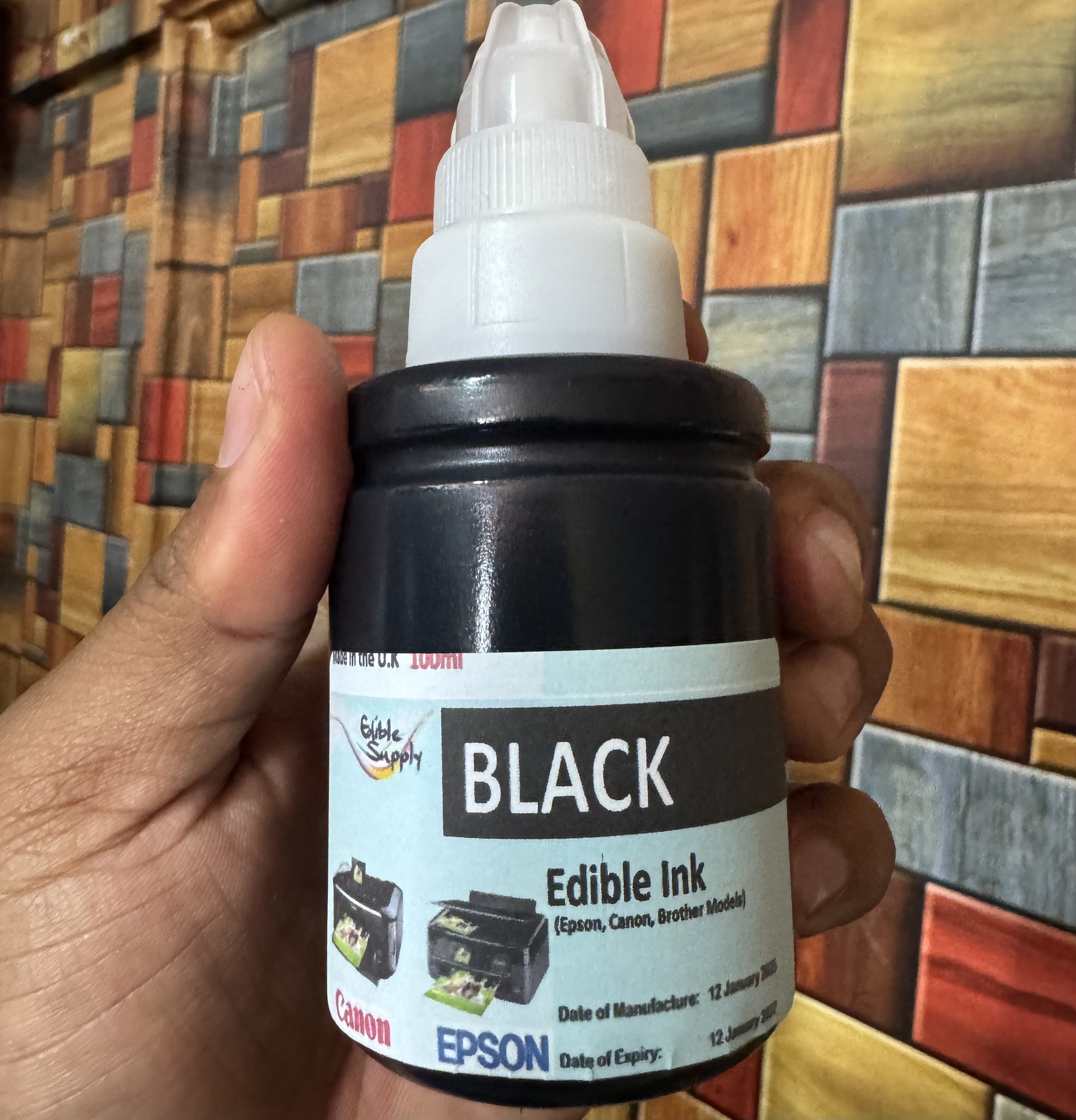
Condition: Brand New
Edible inks
KSh 2,500.00
KSh 2,900.00
Save 14%
(ex-VAT)
Trending
Top Rated
Key Features
Category: Epson Printers Consumables > Edible Inks
Edible inks, which are available in Kenya, are specialized food-grade colorings composed primarily of water, humectants, carriers (like propylene glycol and glycerin), and FDA or EU-approved food colors. Key specifications also include regulatory compliance, allergen information, and physical properties tailored for inkjet printing on various edible media.
Key Specifications
Ingredients and Composition
Edible inks are formulated using food-safe ingredients and are manufactured under strict food safety and quality control conditions. Common ingredients include:
Solvent (Carrier): Purified water or food-grade ethanol.
Humectant: Glycerin (E422) or propylene glycol (E1520) to maintain consistency and prevent drying.
Colors: FDA or EU-approved synthetic or natural food colorants (e.g., E102/Yellow 5, E122/Carmoisine, E133/Blue 1, Red 40, Titanium Dioxide).
Preservative: Potassium sorbate (E202) or sodium benzoate to ensure shelf life.
Acidity Regulator: Citric acid (E330).
Emulsifier: Polysorbate 80 (E433) or E435 may be included.
Physical Properties & Functionality
Print Method: Designed for use in specific inkjet printers, primarily thermal inkjet technology.
Color Profile: Available in standard CMYK (Cyan, Magenta, Yellow, Black) colors, capable of producing photo-quality images with vibrant hues.
Print Resolution: Printers using these inks often have resolutions up to 1200 x 1200 dpi native, or higher interpolated resolutions.
Ink Type: Generally classified as water-based or alcohol-based, each suited for different surfaces (water-based for icing/sugar sheets, alcohol-based for chocolate).
Safety and Compliance
Regulatory Status: Must comply with regulations set by bodies like the US FDA (under 21CFR) or the European Union (e.g., EU Regulation 231/2012) for food additives.
Allergen Info: Most commercial edible inks are formulated to be free from common allergens such as gluten, dairy, nuts, soy, and eggs.
Usage Warnings: Edible inks are intended for use with a dedicated, new printer that has never used regular ink to avoid contamination. They should not be consumed directly in liquid form.
Storage and Handling
Shelf Life: Unopened ink typically has a shelf life of 12 to 24 months from the date of manufacture.
Storage Conditions: Must be stored in a cool, dry place at room temperature (ideally 18-22 °C or 64-72 °F) and protected from direct sunlight.
Maintenance: Regular use (printing every few days) is recommended to prevent the print heads from clogging, a common issue due to the lack of harsh chemical solvents found in regular ink.